William Shakespeare Quotes
Lawless are they that make their wills their law.
Shakespeare, William. The Rape of Lucrece. The Riverside Shakespeare, edited by G. Blakemore Evans, 2nd ed., Houghton Mifflin, 1997, line 623.


FULL QUOTE: “I have studied the law, and say again, I defy the united authorities of the earth to show where this people have not been loyal, wherein they have not proved loyal, in Germany, in France, in England, or in the United States; for they are the best people upon the face of the earth to observe the law and keep order. I want to live perfectly above the law, and make it my servant, instead of its being my master. That is the way to live; to be humble before God, and observe the laws; for there is no necessity of breaking the laws in America, in keeping the commandments of God. When the law is our master, the yoke is hard to bear; but when it is our servant, it works easy; whereas, if it be our master, we are continually compelled and driven by it.”


Justice Black would quote the 1st Amendment—"Congress shall make no law abridging the freedom of speech or of the press"—then slam his hand on his desk and exclaim:


There was no Civil Rights Law during Kennedy’s administration, and Black African diplomats who were driving from New York to Washington would be refused accommodations and amenities at restaurants and rest stops along the way. They often protested to the State Department who approached the President asking what they should tell the diplomats.


those engaging in civil disobedience This was written in Scotland before Witherspoon emigrated to America. A major issue of political and religious debate at the time in Scotland was civil disobedience. “Reform” religious advocates argued for the moral propriety of civil disobedience where the protester’s conscience felt that the laws were immoral and unjust. The were referred to as “Moderates.” Witherspoon, early in his career, was one of the conservatives who argued then, against the Moderates, that civil disobedience should be punished very severely. The conservative rhetoric at the time sarcastically referred to protestors as having “tender consciences.” The issue was contentious then, later in America, and is so even today.

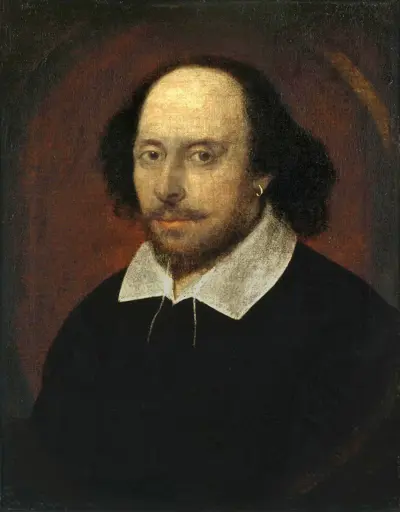
William Shakespeare was an English playwright, poet, and actor, widely regarded as the greatest writer in the English language and the world's greatest dramatist. He is often called England's national poet and the "Bard of Avon" (or simply "the Bard"). His extant works, including collaborations, consist of some 39 plays, 154 sonnets, three long narrative poems, and a few other verses, some of uncertain authorship. His plays have been translated into every major living language and are performed more often than those of any other playwright. They also continue to be studied and reinterpreted.
