Nick Bostrom Quotes
Knowledge about limitations of your data collection process affects what inferences you can draw from the data.
Bostrom, Nick. Anthropic Bias: Observation Selection Effects in Science and Philosophy. Routledge, 2002.


Berelson had done a major compendium of research and found that the high quality studies with very good data were usually done in studies or programs that were not very important, while the most important areas were usually informed by poorer data and less rigid studies. As an example he gave the extensive data that the defense department then had on the relative physical fitness prowess of the marines verses the other services, but had little or no data as to whether the marine was a better fighter, had better judgment in crises, was more skilled with weapons system of the time etc. The Education Department had great data on the performance of students on mathematics tests but almost none on how to teach mathematics.


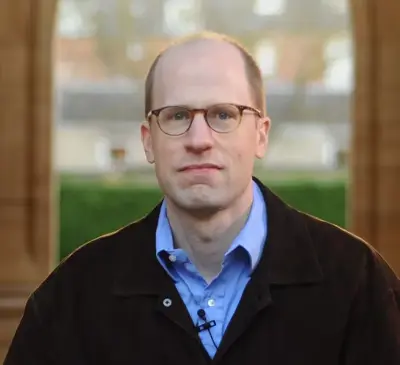
Nick Bostrom is a Swedish-born philosopher at the University of Oxford known for his work on existential risk, the anthropic principle, human enhancement ethics, superintelligence risks, and the reversal test. In 2011, he founded the Oxford Martin Program on the Impacts of Future Technology, and is the founding director of the Future of Humanity Institute at Oxford University. In 2009 and 2015, he was included in Foreign Policy's Top 100 Global Thinkers list.
