Philip Stanhope, 4th Earl of Chesterfield Quotes
Keep your hands clean and pure from the infamous vice of corruption, a vice so infamous that it degrades even the other vices that may accompany it.
4th Earl of Chesterfield
Philip Dormer Stanhope, 1694-1773, British Member of Parliament (Whig) & Diplomat, Lord-Lieutenant of Ireland, Letter to his Godson Philip Stanhope
Sourced by: Eigen's Political and Historical Quotations


Franklin was the superstar of his day in terms of popularity—especially in Europe. However, his informal, social style together with his late hours and popularity with the ladies, together with the fact that he seemed on good social terms with even enemies developed a combination of jealousy, frustration and even suspicion by some of his diplomatic colleagues.

Referring to the actions of United States Attorney General, Edwin M. Meese III, in the Wedtech case. This was a very unusual situation where a United States Attorney publicly admits to the bad behavior of a former Attorney General.


See {586119} for an earlier English version of this point.


Writing about President George Washington:. Bache, a grandson of Benjamin Franklin, was jailed under the Sedition Act for his writings against the government.

Corruption was rife in the Congo before the French or Belgians ever arrived there. However, it is the case that French business and diplomatic culture is much more tolerant of third world corruption than most other industrial democracies and actively engage in bribery efforts to a degree that other nations do not.


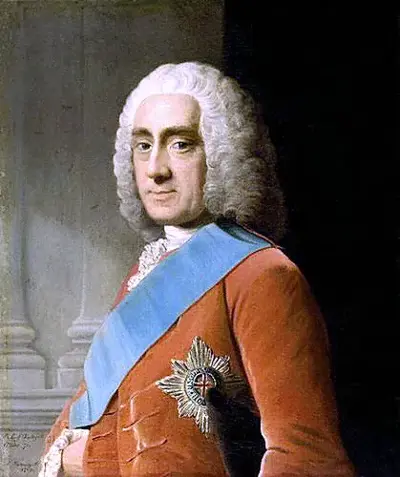
Philip Dormer Stanhope, 4th Earl of Chesterfield, was a British statesman, and a man of letters, and wit. Educated at Trinity Hall, Cambridge, he subsequently embarked on the Grand Tour of the Continent, to complete his education as a nobleman, by exposure to the cultural legacies of Classical antiquity and the Renaissance, and to become acquainted with his aristocratic counterparts and the polite society of Continental Europe.
