Whitley Strieber Quotes
I've always been interested in definitions, because in the Bible, the Ten Commandments are there but there's no real clear definition of what sin is, in a fundamental sense - how we can use the words to evaluate our lives as we go along: Am I doing something that is ethically good? Am I being worthwhile in my life at this moment?


This was a poem on copyright infringement which he held wrong. In American history, there has always been a significant part of the American population who were opposed to copyright on both moral and public policy grounds. In the first decades of existence, the United States did not legally recognize copyright. American publishers copied and republished English works with no compunctions. Benjamin Franklin was one of the worst offenders for people who saw it as an offence. English publishers and some American authors lobbied heavily in America and finally got Congress to pass copyright legislation. However, with every new technology, the battle is fought anew, and large numbers of Americans will use copyrighted material contrary to existing law and feel morally justified in doing so, Publishers and other owners of intellectual property then over compensate and they have lobbied heavily to stop what they call piracy by impinging what used to be the legitimate rights of consumers, readers and scholars—even those who were not violating copyright. It is another of those American political issues that never gets settled and is battled in almost every generation.


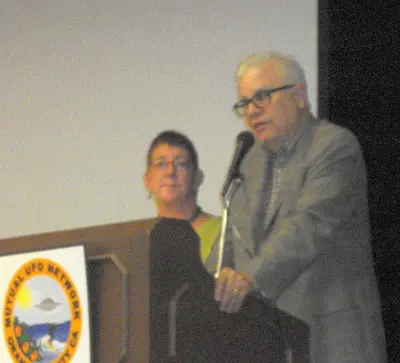
Louis Whitley Strieber is an American writer best known for his horror novels The Wolfen and The Hunger and for Communion, a purported non-fiction account of his alleged experiences with non-human entities. He has maintained a dual career of author of fiction and advocate of paranormal concepts through his best-selling non-fiction books, his Unknown Country web site, and his Internet podcast, Dreamland.
