Kimbal Musk Quotes
It's pretty rough in South Africa. It's a rough culture. Imagine rough - well, it's rougher than that.
Vance, Ashlee. Elon Musk: Tesla, SpaceX, and the Quest for a Fantastic Future. Ecco, 2015.


He was referring to slavery, poverty and degradation for most of the whites.

This is an excellent example of the twisted, self-fulfilling logic of the Afrikaners in justifying apartheid. Many Afrikaners were inveterate racists, and were also usually armed which was a rural tradition of their early immigration and the Zulu and Boer Wars. Those whites would cause a riot if a black was allowed into a white audience performance. That in turn would cause chaos. Therefore mixed audiences could not be allowed. It never occurred to Botha and his colleagues that the government’s responsibility was to control and restrict the white rioters and instigators. This was not unique Afrikaner thinking; the same logic prevailed throughout the American South in the Jim Crowe segregation era.


The Boers were lower class, uneducated, farmers from Holland who came to South Africa before the English did. They were at the bottom of the Dutch socioeconomic ladder. Unlike the English who were interest in establishing a trading colony, the Boers just wanted to own and farm the land and use blacks as slave or cheap labor. The Dutch Government and Trading companies lost interest in South Africa as there were much more profitable parts of the world, and they felt no obligation to the Boers whom they were glad to be rid of. So the Boers found themselves having to follow the British laws and rules of the British Colonial Office. Slavery was outlawed, and Blacks could be educated and become citizens under British law. They could own land, and contest the right of the Boers who had settled in some uninhabited land and some that was owned by Black tribes. The Blacks outnumbered the whites in general and the Boers, and there were educated Blacks who “outclassed” the still relatively uneducated Boers. So the Boers, fighting for their “way of life” set up their own area in Southern Africa and claimed independence. But Blacks claimed that it was their land and looked to the British to exercise English law. The Boer war ensued. Although the Boers lost the war, the bred at a much faster rate than the English, many of whom did not even have their families in South Africa. By the end of WWII, the Boer white majority controlled the government and kept the majority Blacks from voting and having full citizenship rights. They dominated Apartheid South Africa until the Black Revolutionists obtained control and although Black and white relations are better in South Africa than most countries, the extemeist Boers and most militant Blacks are in political, but not violent, conflict. Churchill and the British have always perceived themselves as being caught in the middle between the Boers and the Blacks.
This is a common form of residential segregation on the basis of economics—a de facto approximate surrogate for race and ethnicity. It is legal under the laws of many states.


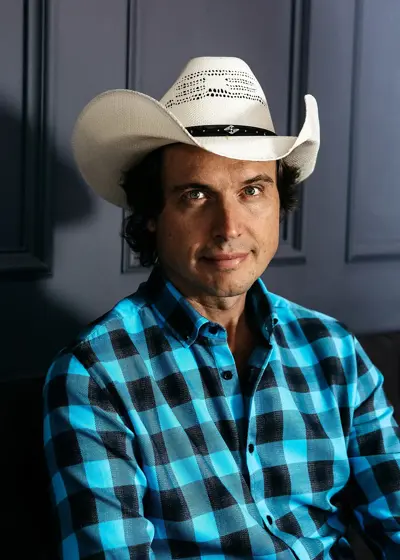
Kimbal Musk is a South African-born restaurateur, chef, and entrepreneur. He owns The Kitchen Restaurant Group, a family of community restaurant concepts located in Colorado, Chicago, Cleveland, Memphis, and Indianapolis. He is the co-founder and Chairman of Big Green, a 501(c)(3) nonprofit that has built hundreds of outdoor classrooms called "Learning Gardens" in schoolyards across America. Musk is also the Co-Founder and Chairman of Square Roots, an urban farming company in Brooklyn, N.Y., growing food in hydroponic, indoor, climate controlled shipping containers. Musk currently sits on the boards of Tesla Inc. and SpaceX. He was on the board of Chipotle Mexican Grill from 2013–2019. He is the younger brother of billionaire businessman Elon Musk and a major Tesla shareholder.
