David Suzuki Quotes
It's not unexpected that shooting massive amounts of water, sand, and chemicals at high pressure into the earth to shatter shale and release natural gas might shake things up. But earthquakes aren't the worst problem with fracking.
Suzuki, David. "Fracking's Problems Go Beyond Earthquakes." Science Matters, David Suzuki Foundation, 14 Feb. 2013.


Energy conservation requires chnge and sacrifice in the short term while fracking has few short term difficulties and requires the vast majority of American to do nothing. The extent of medium and long term damages that fracking will cause is yet unknown and is made even more difficult to know by the practice of the oil drilling companies of keeping the chemicals, amounts, and procedures the use for fracking secret.


Fracturing underground shale—fracking—releases natural gas which the US has in an energy equivalent of two Saudi Arabias. However this is done by injecting water and chemicals into the underground shale. The shale is generally below the water table but the concrete shaft that carries the fluid and the gas at high pressure through the water table. There have been serious accidents where drinking water has been polluted. The George W. Bush administration, led by VP Cheney whose company was in the fracking business had a law passed which gave the gas fracking industry the right to endanger or pollute drinking water without the inspection of meeting the standards of the Clean Water Act and other state and federal protection laws. They are also exempt from having to disclose what poisons or carcinogens are in the fracking fluid or how much they are injecting into a community’s land and water. So the best potential option for American Energy independence got caught up with disputes over proper safety and disclosure procedures and the exemptions that were granted by Congress.

Both the Freon used in air conditioners and the energy to run the air conditioning equipment (generated by fossil fuels) contribute to global warming. Therefore Cox observes that the more air conditioning we use the warmer the climate as a whole gets. And then we need more air conditioning to be comfortable. This in turn produces more warming and Cox argues were are in an endless cycle. However, while this is true, the incremental energy required to produce the additional cooling to offset the global warming is relatively small. What is the greater problem is if the billions of people who do not now have air conditioning want it and get it. That will require enormous additional energy which could produce substantially more global warming. It should be noted that the United States has already banned Freon in favor of coolants which do not attack the ozone layer. And if the energy for air conditioning were produced by clean energy—nuclear, thermal, wind, hydroelectric or solar, the whole problem is moot and there would be no problem with air conditioning. However, as long as we use fossil fuels, Cox’s point is well taken.

The Congressman was never known to be a literati. A “toxic” by definition is harmful. Later. DeLay was convicted and sentenced to jail for money laundering and illegally spending and raising campaign funds. He was also reprimanded by the House Ethics Committee for unethical methods of fund raising for other earlier actions.

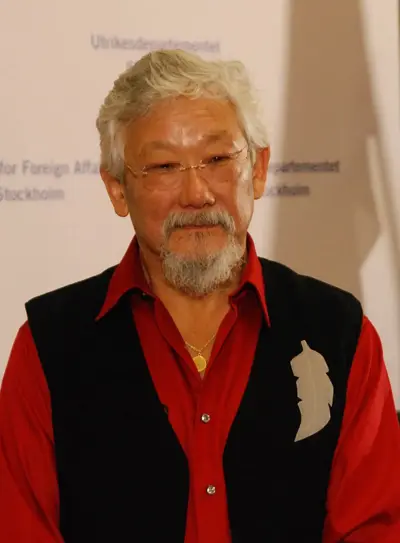
David Takayoshi Suzuki CC OBC FRSC is a Canadian academic, science broadcaster and environmental activist. Suzuki earned a Ph.D. in zoology from the University of Chicago in 1961, and was a professor in the genetics department at the University of British Columbia from 1963 until his retirement in 2001. Since the mid-1970s, Suzuki has been known for his television and radio series, documentaries and books about nature and the environment. He is best known as host and narrator of the popular and long-running CBC Television science program The Nature of Things, seen in over 40 countries. He is also well known for criticizing governments for their lack of action to protect the environment.
