Rich Mullins Quotes
It's all that pretending to be perfect that breeds inauthenticity in the church.
Smith, James Bryan. Rich Mullins: An Arrow Pointing to Heaven. Broadman & Holman Publishers, 2000.


Some of the founding fathers were deeply religious men while others were not so. Some varied in their believes at different times of their lives, and a number were not very facorable towards orthodox religion. At the time, Roman Catholic and Protestant churches were persecuting other religions throughout Europe and people were still being killed for their heretical beliefs. Most important to some of them, kings and other monarchs whom they abhorred, all at the time claimed the Divine Right of Kings and the established churches were the most important support for monarchs. At the time most organized religions were opposed to freedom of conscience and certainly opponents of separation of church and state. American churches tended to take on American values but were never given the chance to dominate the American government they way many had in Europe and the rest of the world.

Spinoza’s ideas were considered so radical and dangerous that he was the only man in history who was excommunicated by the Catholics, the Jews and the Muslims.


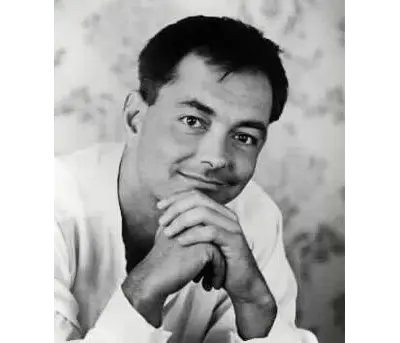
Richard Wayne Mullins was an American contemporary Christian music singer and songwriter best known for his worship songs "Awesome God" and "Sometimes by Step". Some of his albums were listed by CCM Magazine in their ranking of the 100 Greatest Albums in Christian Music, including A Liturgy, a Legacy, & a Ragamuffin Band (1993) at No. 3, The World As Best As I Remember It, Volume One (1991) at No. 7, and Winds of Heaven, Stuff of Earth (1988) at No. 31. His songs have been performed by numerous artists, including Caedmon's Call, Five Iron Frenzy, Amy Grant, Carolyn Arends, Jars of Clay, Michael W. Smith, John Tesh, Chris Rice, Rebecca St. James, Hillsong United and Third Day. During the tribute to Rich Mullins' life at the 1998 GMA Dove Awards, Amy Grant described him as "the uneasy conscience of Christian music.”
