Adnan Pachachi Quotes
It won't be a question of how well-trained or well-equipped the army is but one of the authority it serves.
Pachachi, Adnan. Quoted in Fallows, James. "Why Iraq Has No Army." The Atlantic, Dec. 2005, p. 22.


At the height of the Watergate scandal, the president wanted special prosecutor Archibald Cox fired, because Cox was developing evidence against the president. The attorney general, Elliot Richardson, refused to fire Cox and resigned. The chief of staff then turned to the deputy attorney general, William Ruckelshaus, who also refused and resigned. Finally, the Solicitor General, next in line of authority, agreed to fire the special prosecutor. These events happened on a Saturday night and became known as the “Saturday Night Massacre”. This event persuaded most Americans that Nixon was guilty of felonies and was desperately trying to cover things up. Congress would include “obstruction of justice” in it’s list of crimes that they would have impeached Nixon for had he not resigned.


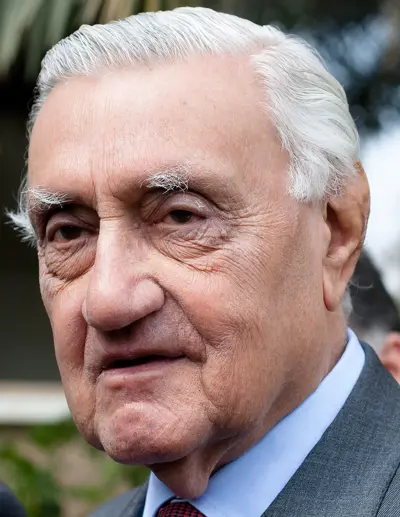
Adnan al-Pachachi or Adnan Muzahim Ameen al-Pachachi (Arabic: عدنان الباجه جي) was a veteran Iraqi and Emirati politician and diplomat who served as Foreign Minister. Pachachi was Iraq's Permanent Representative to the United Nations from 1959 to 1965 and Minister of Foreign Affairs of Iraq from 1965 to 1967, during the Six-Day War with Israel; he again served as Permanent Representative to the UN from 1967 to 1969. After 1971, he spent a long period in exile. Following the 2003 invasion of Iraq, Pachachi was an important figure in Iraqi politics, often described as Iraq's elder statesman. He rejected the role of president in the Iraqi Interim Government.
