Toomas Hendrik Ilves Quotes
It is hard to work with the nagging doubt that perhaps some foreign intelligence agency is reading all your correspondence, especially when you know they have done so in the past.
Ilves, Toomas Hendrik. Interview on Cyber Surveillance.


Responding to suggestions that with the demise of the Berlin Wall the spying business will come to a halt: John Moore Cornwell

He was trying to assuage the anger and anxiety when it became public that the NSA had been monitoring all the calls of American citizens and not only suspected terrorists. He made the distinction between metadata and content. He claimed NSA was gathering the phone numbers of the parties on the call, the time and duration, but not listening in to the contents. Critics asked how he could be sure and that if the agency were gathering all the data, they could easily listen to any. Later the agency admitted that it had “inadvertently” examined the content of some communications.

Major leaks made public the fact that the NSA was hacking into the European and other foreign servers of Google, Microsoft and other technology companies and vacuuming up 500 million internet communications every day. (It would be illegal for them to do this in the United States, but via the outside USA servers they capture the information of US Citizens sending E-mail within the United States. The reaction of many foreign government was outrage as their citizen’s private communications were being captured as well. They began to take steps to curtain their country’s high utilization of American company data storage and transmission and regulate the American firms much more extensively. So American company business and profits were damaged by the NSA surveillance programs which the companies did not know about.


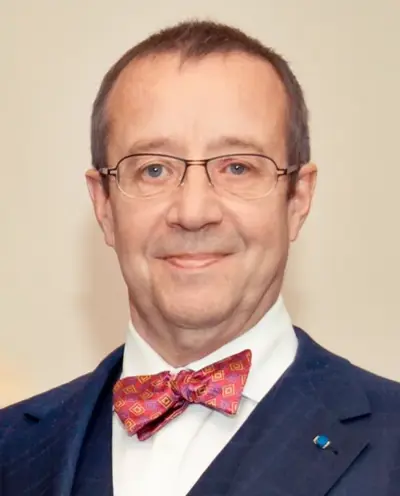
Toomas Hendrik Ilves is an Estonian politician who served as the fourth President of Estonia from 2006 until 2016. Ilves worked as a diplomat and journalist, and he was the leader of the Social Democratic Party in the 1990s. He served in the government as Minister of Foreign Affairs from 1996 to 1998 and again from 1999 to 2002. Later, he was a Member of the European Parliament from 2004 to 2006. He was elected as President of Estonia by an electoral college on 23 September 2006 and his term as President began on 9 October 2006. He was reelected by Parliament in 2011.
