Joseph Hewes Quotes
It is done, and I will abide by it.
He had been a long opponent of separation from England. However, it is reported that during the debate he finally rose and raised his hands to heaven and made the famous statement.
Joseph Hewes, *, North Carolina Delegate to the Continental Congress, Statement towards the end of the debate over the Declaration of Independence, 1776
Sourced by: Eigen's Political and Historical Quotations


After taking the fort, Menendez encountered 350 French Huguenots who were shipwrecked on the shore. A few claimed they were lapsed Catholics and “repented” and were allowed to live, but the others, after having surrendered and had their hands tied behind them were hacked to death with knives and swords. Three years later, the French attacked Fort Caroline (near Jacksonville) beat the Spanish and put all the Spanish to the sword in revenge. Menendez reported his activities with great pride. The King of Spain had instructed him that it would be OK to kill and terrorize colonists from other countries competing for Florida. The Queen and the Priests thought it their duty to execute heretics. Menendez did what he was supposed to so civilly and religiously.


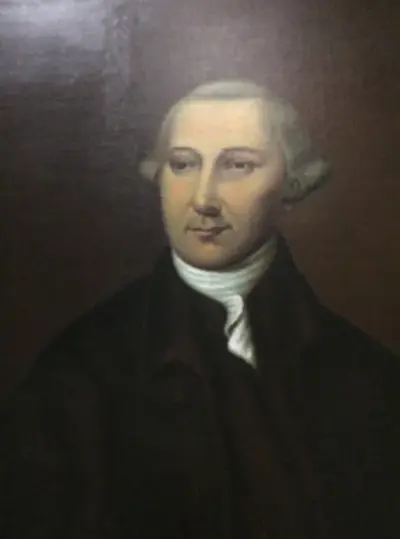
Joseph Hewes was a native of Princeton, New Jersey, where he was born in 1730. Hewes's parents were members of the Society of Friends, commonly known as Quakers. On his mother's side, Joseph Hewes was a 3rd generation resident of New Jersey. He was the 4th generation of the Hewes family to live in New Jersey. Hewes attended Princeton but there is no evidence that he actually graduated. What is known is that he became an apprentice of a merchant and in fact became a very successful merchant. After finishing his apprenticeship he earned himself a good name and a strong reputation, which would serve him well in becoming one of the most famous signers of the Declaration of Independence for North Carolina, along with William Hooper and John Penn. Hewes moved to Edenton, North Carolina at the age of 30 and won over the people of the colony with his charm and honorable businesslike character. Hewes was elected to the North Carolina legislature in 1763, only three years after he moved to the colony. After being re-elected numerous times in the legislature, Hewes was now focused on a new and more ambitious job as a continental congressman.
