Robert Taft Quotes
It defies all common sense to send that roughneck ward politician back to the White House.
Patterson, James T. Mr. Republican: A Biography of Robert A. Taft. Houghton Mifflin, 1972.


This is an important quotation because it was believed by most of the Founding Fathers and the American public until relatively recently. Presidential candidates would not think of publicly campaigning. The view was that anyone who was ambitious for power and authority should not be trusted with it. The idea was first stated by Plato and has been a major view of Western politics since. Many still believe it, but no one has come up with a practical alternative in a large jurisdiction where there is no way to know about the possible candidates without their initiative. Earlier American presidential candidates, although they did not campaign as we know it, got associates to do their campaigning for them. At Presidential nominating conventions, candidates would not even attend. Abraham Lincoln for example never attended the convention at which he got nominated, but he had associates lining up delagates and he was managing their efforts behind the scenes.


The Slavery issue was so contentious that many Northern Congressmen had just given up on the abolitionist cause or never agreed with it even though in many areas of the country the majority of their constituents supported abolition.


In an ironic turn of the tables, Frank Kingdon, a staunch Roosevelt supporter wrote a book defending the President and used the phrase as a title, mocking the upper class hatred of FDR.


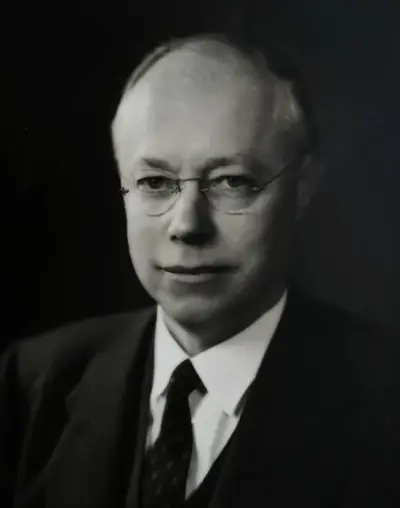
Robert Alphonso Taft Sr. was an American conservative politician, lawyer, and scion of the Republican Party's Taft family. Taft represented Ohio in the United States Senate, briefly served as Senate Majority Leader, and was a leader of the conservative coalition of Republicans and conservative Democrats who prevented expansion of the New Deal. Often referred to as "Mr. Republican", he cosponsored the Taft–Hartley Act of 1947, which banned closed shops, created the concept of right-to-work states and regulated other labor practices.
