Sarah Moore Grimke Quotes
Is it not clear that to give to such women as desire it and can devote themselves to literary and scientific pursuits all the advantages enjoyed by men of the same class will lessen essentially the number of thoughtless, idle, vain and frivolous women and thus secure the [sic] society the services of those who now hang as dead weight?
Sarah Moore Grimke, 1792-1873, Abolitionist & Feminist, 1852
Sourced by: Eigen's Political and Historical Quotations


participating in the First World War This was not just a WWII happening. The process rally started in WWI.


This statement is referring to the custom of women covering their eyes whenever a man who they did not know passed them. Turks did not ever use Burkas the way some other Muslim countries do, but they wore headscarves and covered their eyes when a strange man appeared. This was a shocking statement in a sexist Islamic culture. Although the process of modernization and reform in Turkey was relatively bloodless, Ataturk was prepared to and did use force to defend it. This and many others made the role of women not only uniquely equal in the Islamic world, but women were suddenly elevated to the level of most Western nations and in voting rights were ahead of most. He used his own family to set an example. See {584503}.

Women were not, in the decisions of Canadian courts “Persons.” As such they were not allowed to serve as public officials and legislators. In 1929 the Judicial Committee of the Privy Council reversed previous interpretations and declared women eligible for all public offices. It became known as “The Persons Case.” Murphy then wrote her argument. Murphy wrote serious non-fiction under her own name and novels under the pseudonym Janey Canuck.
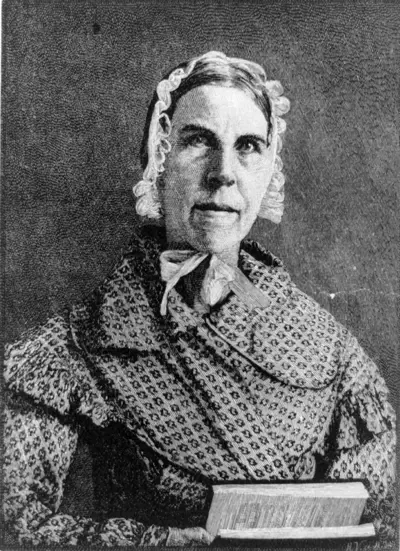
Sarah Moore Grimké was an American abolitionist, widely held to be the mother of the women's suffrage movement.:xxi Born and reared in South Carolina to a prominent, wealthy planter family, she moved to Philadelphia, Pennsylvania, in the 1820s and became a Quaker, as did her younger sister Angelina. The sisters began to speak on the abolitionist lecture circuit, joining a tradition of women who had been speaking in public on political issues since colonial days, including Susanna Wright, Hannah Griffitts, Susan B. Anthony, Elizabeth Cady Stanton, and Anna Dickinson. They recounted their knowledge of slavery firsthand, urged abolition, and also became activists for women's rights.
