George Bernard Shaw Quotes
Ireland, sir, for good or evil, is like no other place under heaven, and no man can touch its sod or breathe its air without becoming better or worse.
Shaw, George Bernard. John Bull's Other Island and Major Barbara. Archibald Constable & Co., 1907, p. 88.


The 69th Regiment, the first and original division of the Irish Brigade, has been one of the most decorated and successful American battle units since the Civil War. It was originally formed with Irish Immigrant Volunteers by the authority of the Secretary of War. The Irishmen designed their own regimental battle flag which not only was composed of Irish motifs such as the Harp of Erin, but this was the only text in the red banner but it was in Gaelic. The battle flag could be an Irish Army regimental flag as there is nothing on the flag to identify it with America. Although the flag did not, the brigade did with their blood left on the battlefield of every American war up to today. Ironically, this may be the only national military unit in history who operated with a slogan extolling another country.


This view generalized to almost all cultures almost defines the essence of conservatism.


This is a great example of the hubris that affects many very successful politicians and erodes there effectiveness and makes them more dictatorial. They delude themselves into believeing that they are an accurte reflection of the people. In this case he absurdly argued that since he was brought up in a working class family and did not spend all his time with intllectuals, he therefore knew the Irish people’s preferences. If such an upbringing qualified a person to know the Irish wants, then there were millions of such in Ireland who grew up that way. And if they all reflected the Irish will, why was there so much disagreement amongst the Irish as with most other people?


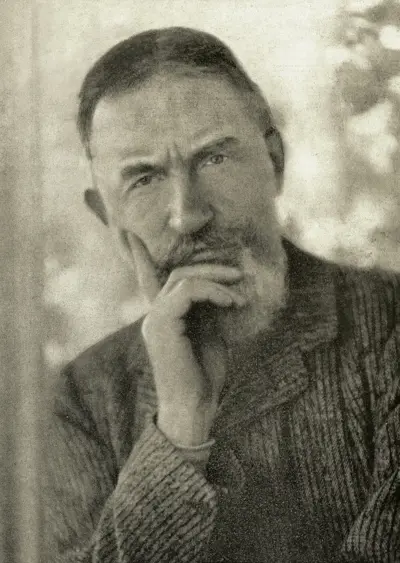
George Bernard Shaw, known at his insistence simply as Bernard Shaw, was an Irish playwright, critic, polemicist and political activist. His influence on Western theatre, culture and politics extended from the 1880s to his death and beyond. He wrote more than sixty plays, including major works such as Man and Superman (1902), Pygmalion (1912) and Saint Joan (1923). With a range incorporating both contemporary satire and historical allegory, Shaw became the leading dramatist of his generation, and in 1925 was awarded the Nobel Prize in Literature.
