Dorothea Dix Quotes
Indulged habits of dependence create habits of indolence, and indolence opens the portal to petty errors, to many degrading habits, and to vice and crime with their attendant train of miseries.
Dix, Dorothea Lynde. Remarks on Prisons and Prison Discipline in the United States. Munroe & Francis, 1845.


In most of American history, population has moved from the rural areas of the country to the cities. After WWII there was a movement from the rural areas to the suburbs as well as the cuties and movement from the cities to the suburbs. The assumption that the schools were not as good in the cities would be challenged by many and in the next 30 years, there was much educational reform in the cities and they had the best schools in the country. Until the movement to the suburbs, the educational attainment of city children was (and is today) much better than that of rural children. Dickernan and many others could not understand the movement to the cities because there was vice in the cities. They rarely considered the social, cultural and economic advantages of cities and generally assumed that people—especially children—could not resist the temptation of vice in the immediate vicinity.


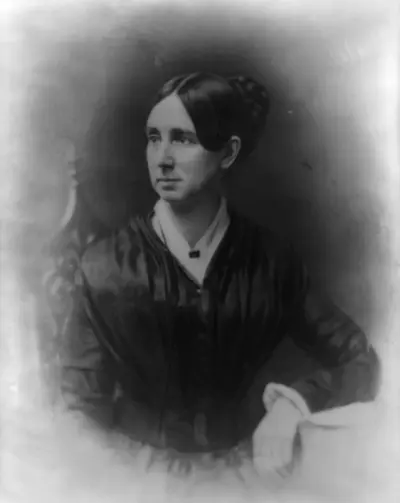
Dorothea Lynde Dix was an American advocate on behalf of the indigent mentally ill who, through a vigorous and sustained program of lobbying state legislatures and the United States Congress, created the first generation of American mental asylums. During the Civil War, she served as a Superintendent of Army Nurses.
