Sam Harris Quotes
Indeed, what is startling about the notion of a victimless crime is that even when the behavior in question is genuinely victimless, its criminality is still affirmed by those who are eager to punish it. It is in such cases that the true genius lurking behind many of our laws stands revealed. The idea of a victimless crime is nothing more than a judicial reprise of the Christian notion of sin.
Harris, Sam. The End of Faith: Religion, Terror, and the Future of Reason. W. W. Norton & Company, 2004, p. 159.

The Argentine Military kidnapped, tortured and murdered tens of thousands of Argentine citizens after they had seized power. When they were finally tried, like the Nuremberg Trials of the Nazis, the crimes were so terrible that specific existing laws were not sufficient to describe the crimes exactly. The conviction of the Argentine criminals, like the Nazis, broke new ground in international law.


He dispatched the army to eliminate sin.


The problem of the person who economically profits from the crimes of others has been with America for many years as this quotation shows. I later example was when in 2011, almost all of the large banks hired people as Vice Presidents and those people in turn falsified information and legal documents in mortgage foreclosures. The higher up bank executives who profited from this illegal activity were never prosecuted by the Obama administration. Similarly, the consumer frauds of securities sales representatives, made fortunes for the stock broker partners who almost always were never criminally prosecuted even though almost all their sales personnel were telling prospective customers the same fraudulent information.


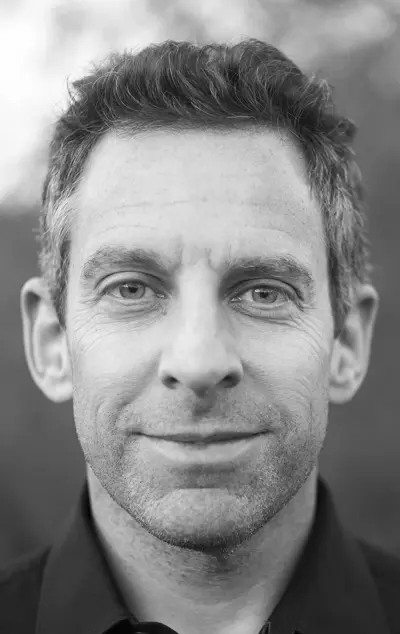
Samuel Benjamin Harris is an American author, philosopher, neuroscientist, and podcast host. His work touches on a wide range of topics, including rationality, religion, ethics, free will, neuroscience, meditation, psychedelics, philosophy of mind, politics, terrorism, and artificial intelligence. Harris came to prominence for his criticism of religion, and Islam in particular, and is described as one of the "Four Horsemen of the Non-Apocalypse", along with Richard Dawkins, Christopher Hitchens, and Daniel Dennett.
