Richard N. Haass Quotes
Indeed, the big U.S. error after 9/11 was to treat Pakistan as if it were an ally. With an ally, it is possible to assume a large degree of policy overlap. With Pakistan, no such assumption can be made.
Haass, Richard N. Foreign Policy Begins at Home: The Case for Putting America's House in Order. Basic Books, 2013.

The 21st century perception of Pakistani leaders was not new. The same delusional view of the nation’s importance was held by the founder of Pakistan from the start of nation. The perception of American leaders has been on both sides of this question at different times. The reality is that Pakistan and the United States have both profited from the relationship, but there is constant reevaluation in both nations as to whether the price that is paid for the relationship is worth the cost.


Al Qada and Taliban insurgents fighting in Afghanistan had a sanctuary for training and resupply in the rugged mountains of Pakistan near the Afghan border. Many American military and policy makers believed that we did need Pakistan to close down the sanctuaries and lines of supply if the war was to end. However, the Pakistanis, as Mr. West stated, extracted much from the United States while at the same time, not only refusing to try to control their frontier, but several elements of the Pakistani government were actually assisting the Taliban and Al Qada while taking U. S. Military Aid to suppress them.


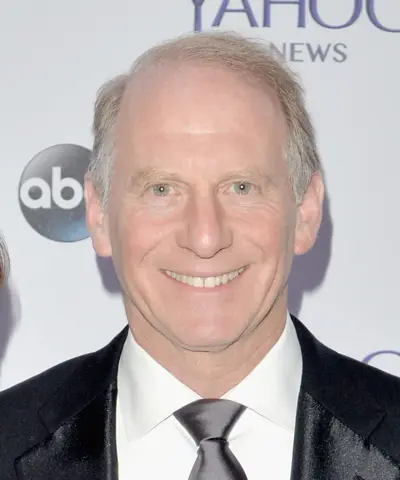
Richard Nathan Haass is an American diplomat. He has been president of the Council on Foreign Relations since July 2003, prior to which he was Director of Policy Planning for the United States Department of State and a close advisor to Secretary of State Colin Powell.
