Marcel Duchamp Quotes
In the midst of each epoch, I fully realize that a new epoch will dawn.
MacMonnies, Mac. "A Complete Reversal of Art Opinions by Marcel Duchamp, Iconoclast." Arts & Decoration, vol. 5, no. 11, Sept. 1915, p. 428.


Samuel Langhorne Clemens, 1835-1910. It was then, and still is common to refer to the results of evolution as “miracles” as Darwin had revealed the process but did not opine on the origin or creation of the process. With many religious people at the time a sensible dialogue and inquiry could be made of evolution so long as the possibility of a Supreme Being creating the mechanism of evolution remained open. Fundamentalists, however, insisted that the Bible stated that God made each of the species in its then current form and therefore they rejected even the possibility that God had created the evolutionary scheme which implemented his miracles.

At the time, there were no major issues In contention for the nation, and bipartisanship became quite easy. That would change markedly in the following decades when the new questions came forward from reformers like Theodore Roosevelt and muckraking journalists. The new questions had to do with monopolies, trusts, corporate power, regulation, corruption and political machines.


1st Earl of Beaconsfield


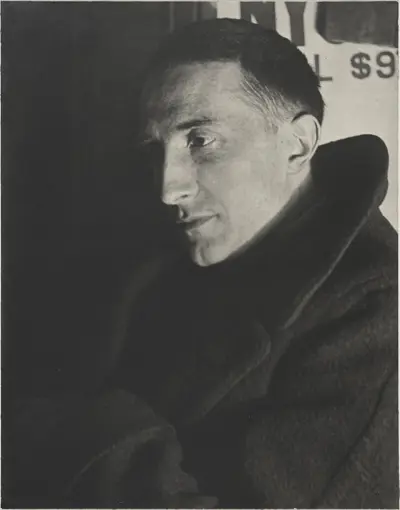
Henri-Robert-Marcel Duchamp was a French-American painter, sculptor, chess player, and writer whose work is associated with Cubism, Dada, and conceptual art. Duchamp is commonly regarded, along with Pablo Picasso and Henri Matisse, as one of the three artists who helped to define the revolutionary developments in the plastic arts in the opening decades of the 20th century, responsible for significant developments in painting and sculpture. Duchamp has had an immense impact on twentieth-century and twenty first-century art, and he had a seminal influence on the development of conceptual art. By the time of World War I he had rejected the work of many of his fellow artists (such as Henri Matisse) as "retinal" art, intended only to please the eye. Instead, Duchamp wanted to use art to serve the mind.
