Joan Ganz Cooney Quotes
In South Africa, where HIV-positive children are often shunned, we have an HIV-positive Muppet to teach children to be friendly with children with HIV. But they use local actors. And it's not always a street. Sometimes it's 'Sesame Plaza,' or 'Sesame Tree.'
Cooney, Joan Ganz. "A Conversation with Joan Ganz Cooney." Interview by Meg Grant. AARP Bulletin, AARP, 23 Oct. 2009.


The 2016 election and campaigh was one of the most polarizing in American History, Hate and bigoted groups and individuals supported one of the candidates and some had a predelection towds voilence. Since the election of Abraham Lincoln, Amricans had not been so much at odds. Ironically, the concept of a library itslef produces a liberal institution whose values were at the time contrary to that of many populists who vieed intekkectual efferts as elitist and therfore opposed their existance in the public space.
The reform bill was developed by the then current Minister of Education who views were quite opposite to Corkey’s. One of the reforms was to eliminate the Bible Teaching and other religious instructions in the public schools. Then these other undesirables would enroll in the public schools whereas before, the Protestants were able to operate segregated public schools where very few Catholics would attend. The religious bigotry by the Catholics in the South of Ireland was equaled if not exceeded by that of the Protestants in Northern Ireland.


Islamic modernists like him are many among the educated Muslims but their views are often drowned out by the violence and extremist statements of the fundamentalists.

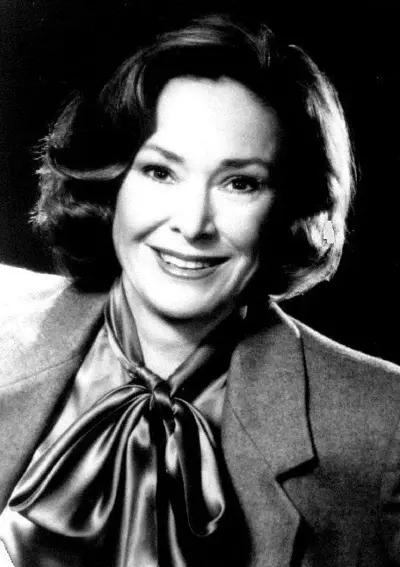
Joan Ganz Cooney is an American television producer. She is one of the founders of Sesame Workshop (formerly Children's Television Workshop or CTW), the organization famous for the creation of the children's television show Sesame Street, which was also co-created by her. Cooney grew up in Phoenix and earned a B.A. degree in education from the University of Arizona in 1951. After working for the State Department in Washington, D.C. and as a journalist in Phoenix, she worked as a publicist for television and production companies in New York City. In 1961, she became interested in working for educational television, and became a documentary producer for New York's first educational TV station WNET (Channel 13). Many of the programs she produced won local Emmys.
