Lee R. Raymond Quotes
In some of the countries where we operate, there is a tradition of corruption, in which the political elites work with business in the framework of unsavory relationships.
Raymond, Lee R. "Interview with Lee R. Raymond." Religion & Liberty, Acton Institute, 1999.


The United States had just ousted the popularly elected leader Patrice Lumumba {640611}, and backed Mobuto. Lumumba was an idealist who was not corrupt at all, but were not so sure about our new protégé. Sadly he turned out to be one of the worst kleptocrats of all time, and he stole with more United States money than we gave to many nations in toto. Many believe that one of the reasons, corruption of our “allied” leaders was so bad lies in the wording of this cable. Note that to the State Department writers there was “normal” corruption as opposed to excessive corruption. Once that view is taken there is a constant battle to determine whether each new act of corruption is “normal “ or not, and corruption is simply lessened by pushing back against the most abnormal schemes. These critics advocate a zero tolerance for corruption especially with United States AID money. The State Department has been ambivalent and have often used the corruption system to bribe leaders to obtain national objectives.


1st Earl of Kingston. Historically, this quotation shows that in the middle of the 19th century bribery was commonplace and material when there were critical issues under defeat by the legislature. It was so blatant that the Prime Minister in his report to the Queen pointed it out just like other political factors.

The bill went down to a narrow defeat, but the Republican leadership of the House held the vote open for a record setting 3 hours, until they could persuade enough members to reverse their vote. After the 3 hours, the bill passed by one vote. The House Ethics Committee did not see that as sufficient reason to start an ethics investigation.


Mises is one of the very few economic conservatives who opposed companies getting involved with lobbying or politics in any way. He, like some others, saw the negative public effect that business produces when it does get deeply involved in politics, but he uniquely observed that the businesses themselves suffered as a result of the involvement in politics. Obviously very few business leaders of the 21st century agreed with Mises’ earlier views.


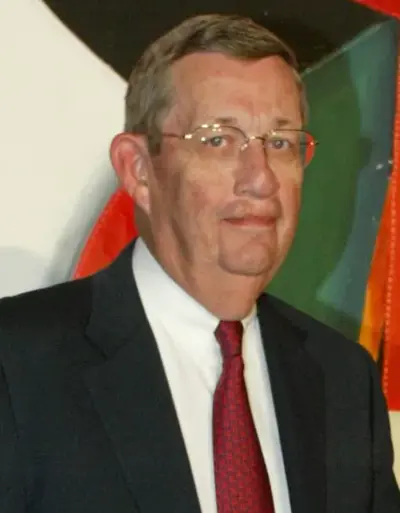
Lee R. Raymond is an American businessman and the chief executive officer (CEO) and chairman of ExxonMobil from 1999 to 2005. He had previously been the CEO of Exxon since 1993. He joined the company in 1963 and served as president from 1987 and a director beginning in 1984.
