Philip Gourevitch Quotes
In 1933-34, the Belgians conducted a census in order to issue ‘ethnic’ identity cards, which labelled every Rwandan as either Hutu (85%) of Tutsi (14%) or Twa (1%). The identity cards made it virtually impossible for Hutus to become Tutsis, and permitted the Belgians to perfect the administration of an apartheid system rooted in the myth of Tutsi superiority… Whatever Hutu and Tutsi identity may have stood for in the pre-colonial state no longer mattered; the Belgians had made ‘ethnicity’ the defining feature of Rwandan existence.
Gourevitch, Philip. We Wish to Inform You That Tomorrow We Will be Killed with Our Families: Stories from Rwanda. Farrar, Straus and Giroux, 1998, pp. 56-57.


This statement was more than a proverb but a popular political doctrine as well which had for years destabilized the Balkans. From the Serbian point of view, if a Serbian family moved to Bosnia or another country, their family land and their decedents were Serbian and under the governance of Serbia. Where there were enclaves of Serbs, they and the Serbian Government considered that land Serbian. This attitude even widely prevailed into the 21st century and led to the U. S. War with Serbia over the Serbian attempts to control parts of neighboring countries where Serbs were in the minority. The Serbs were not unique in this respect. Germany, in WWI, had seized territory from France because there were large enclaves of Ethnic Germans in the Sudetenland. The Ancient Romans likewise asserted the protection of Roman Citizens anywhere in the known world.


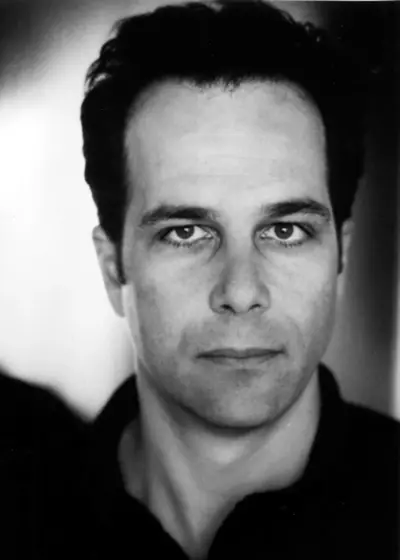
Philip Gourevitch (born 1961), an American author and journalist, is a longtime staff writer for The New Yorker and a former editor of The Paris Review. His most recent book is The Ballad of Abu Ghraib (2008), an account of Iraq's Abu Ghraib prison under the American occupation. He became widely known for his first book, We Wish to Inform You That Tomorrow We Will Be Killed with Our Families (1998), which tells the story of the 1994 Rwandan genocide.
