Li Si Quotes
If we are to move into the future, we must eradicate the past.
Li Si, 280 BC-208 BC, [Li Ssu], Chancellor & Prime Minister to the First Chinese Emperor, Suggestion that all scholarly books be burned, 213 BC
Sourced by: Eigen's Political and Historical Quotations


The presidents had announced that they would resume diplomatic relations and allow trade, tourism, and other exchange after 40 years of U. S. policy boycotting Cuba to produce more democratic reform and regime change. Fidel Castro, however, became the longest serving ruler or leader of any country in the world, and despite (some argue because of) the boycott was also one of the most popular leaders. The boycott was based on faulty intelligence and after 40 years of no results, President Obama's administration reversed the historical policy that had not been working though there were some American Castro haters who objected to the change arguing that with more time and the death of Fidel Castro who was ill at the time, the boycott would be effective and then we could negotiate for something in exchange for lifting the boycott.

For centuries whites had dominated and abused the Blacks of South Africa. When the Black majority finally gained power, there were many calls for retribution and justice. However, under Mandela’s influence, South Africa made one of the most successful transitions of power to the majority who had been oppressed. The concentration on the future made South Africa the most successful country in Africa and a model for the world. See {633690} for another of his implementing statements of this principle.

This is a more nuanced view of history for a nation than the classic one, a Chinese example of one is {89195}.


There are two ethnic groups in Fiji. The indigenous Fijians and immigrants from India and their descendants. The Indians originally came to trade and represent a globalized, mercantile culture whereas the indigenous tribes did not have the tradition of business. Over time, the minority Indians were economically more successful than the majority, which tended to resent the Indians. As the Indians were the political minority with no strong tradition of protection of minority rights, they became victims of discriminatory behavior in a nation where the traditional political structure of tribal chiefs and tribes dominated politics. Religion also separated the Hindu Indians from the Christian tribals. In the early 21st century, an Indian was elected prime minister, but this led to a revolt and coup by some traditional tribals. Finally the coup was put down but the society had been split apart and there was continuous argument over rights and whether the coups plotters should be punished.


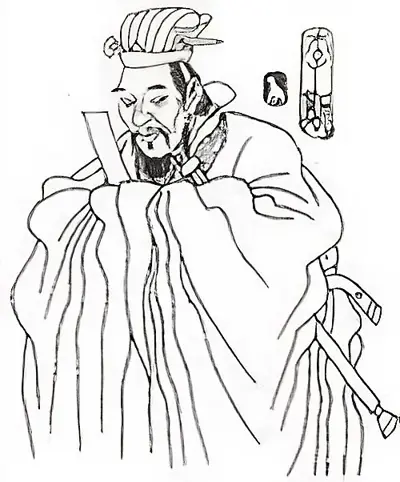
Li Si was a Chinese calligrapher, philosopher, politician, and writer of the Qin dynasty. He served as Chancellor (or Prime Minister) from 246 to 208 BC under two rulers: Qin Shi Huang, the king of the Qin state and later the First Emperor of the Qin dynasty; and Qin Er Shi, Qin Shi Huang's eighteenth son and the Second Emperor. Concerning administrative methods, Li Si "indicated that he admired and utilized the ideas of Shen Buhai", repeatedly referring to the technique of Shen Buhai and Han Fei, but regarding law followed Shang Yang.
