Ward Churchill Quotes
If U.S. foreign policy results in massive death and destruction abroad, we cannot feign innocence when some of that destruction is returned.
Churchill, Ward. "Statement by Ward Churchill." 31 Jan. 2005.


Sherman, one of the most gifted generals of the Civil War. He hated the cruelty of war and the Civil War in particular as he had specifically warned his Southern friends ahead of time about what war would bring. See {585882}. Sherman was one of the first American military men to look at war without any of the romantic, patriotic, noble attributes that most others did.

He was criticizing the George W. Bush administration for attacking Iraq, a country which had not attacked the United States or Americans abroad while America did not attack those terrorists and countries which had killed Americans. For example, Hezbollah which blew up the Marine Barracks in Lebanon and the naval ship Cole.


Most were tracked down and assassinated by Israeli agents. The mastermind, Abu Daud was seriously wounded but was not attacked again when the Israeli’s and Palestinians began their peace negotiations.


The English were at War with Napoleon and Denmark was neutral. British leaders feared that Denmark might either ally themselves with Napoleon or provide him with ships from their well equipped fleet. The English decided on a preemptive attack on Denmark and Napier and other officers were ordered to Denmark. When they arrived, they were ordered to bombard Copenhagen and force the Danes to surrender. When this happened, the British seized the Danish ships and simply took them as war prizes. The issues of the morality and wisdom of preemptive attacks, as with the Americans in the Iraq war, was thoroughly debated but the government view prevailed to the shame of most Englishmen.

His balanced judgment and concern for American Casualties changed during the Iraq War over a decade later where he insisted on taking steady American casualties even after Saddam had been deposed and American troops were in the middle of a sectarian civil war.


This proverb only makes sense in the light of understanding the Arab concept of revenge—“blood.” In a rural desert environment where little can be expected of government, the Arabs have developed a law enforcement and peace keeping mechanism which while primitive from modern standards, nevertheless worked to some degree. It is that revenge—“blood” is a moral necessity and obligation of all people, and revenge is not limited by time or to the individuals involved in the first incidence. The immediate family are the first to exact revenge, but the extended family follows and often the entire clan. Sometimes revenge is tribal or even national. Anyone who fails to revenge a member in his group is not only a disgrace, but is a clear and present danger to the group because then they can be attacked with impunity. So revenge is a strong obligation of the group members and blood must be paid with blood no matter how many generations it may take. The only thing that keeps me and my family safe, is the surety what whosoever kills one of us will themselves be killed or if they die a natural death we will take revenge on one of the evildoers relatives and no one is exempt. Crime must never pay!
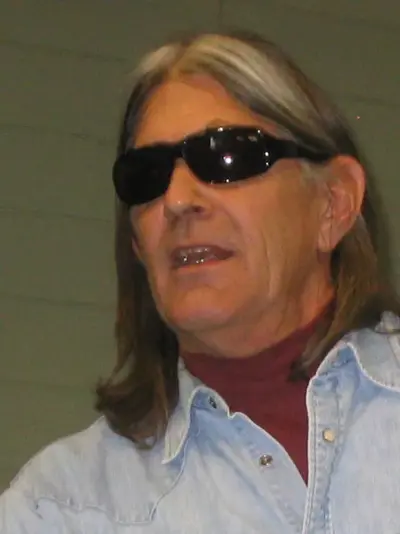
Ward LeRoy Churchill (born 1947) is an American author and political activist. He was a professor of ethnic studies at the University of Colorado Boulder from 1990 until 2007. The primary focus of his work is on the historical treatment of political dissenters and Native Americans by the United States government. His work features controversial and provocative views, written in a direct, often confrontational style.
