George Eliot Quotes
If the past is not to bind us, where can duty lie? We should have no law but the inclination of the moment.
Eliot, George. The Mill on the Floss. William Blackwood and Sons, 1860, vol. 3, p. 240.


Note that the two do NOT ALWAYS coincide. There are those who argue that law should be respected, right or wrong. There are also those who argue that law should be respected, only when it is in the right. Note also that “respect” and “obedience” are two different things. Some people argue that law and the courts and government must have respect. Others that they are only due obedience but not necessarily respect when they are in the wrong. Still others, like Thoreau, that obedience even is not required when the law is wrong. There are those who take this to the degree that obedience to a “wrong” law is wrong and there is a DUTY to disobey a wrong law. However, a more nuanced view does not treat all laws as the same importance. I may think a particular tax is unjust and wrong, but obedience does not necessarily have moral consequences. A law that says that people with a certain religion must not be hired, however, is sufficiently immoral that I am obliged to disobey it.


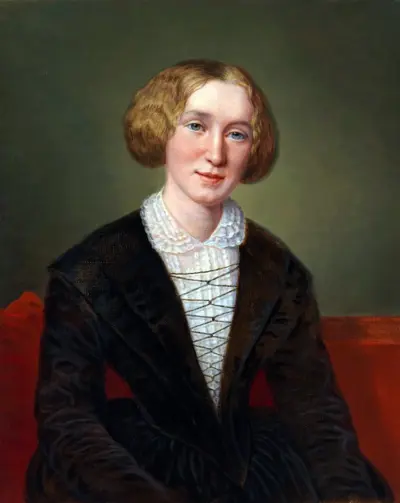
Mary Ann Evans, known by her pen name George Eliot, was an English novelist, poet, journalist, translator and one of the leading writers of the Victorian era. She wrote seven novels, Adam Bede (1859), The Mill on the Floss (1860), Silas Marner (1861), Romola (1862–63), Felix Holt, the Radical (1866), Middlemarch (1871–72) and Daniel Deronda (1876). Like Charles Dickens and Thomas Hardy, she emerged from provincial England and most of her works are set there. They are known for their realism, psychological insight, sense of place and detailed depiction of the countryside.
