Barbara Ehrenreich Quotes
If men were equally at risk from this condition - if they knew their bellies might swell as if they were suffering from end-stage cirrhosis, that they would have to go nearly a year without a stiff drink, a cigarette, or even an aspirin, that they would be subject to fainting spells and unable to fight their way onto commuter trains - then I am sure that pregnancy would be classified as a sexually transmitted disease and abortions would be no more controversial than emergency appendectomies.
Ehrenreich, Barbara. The Worst Years of Our Lives: Irreverent Notes from a Decade of Greed. Pantheon Books, 1990.


The Zika, virus, when contracted by a pregnant woman, has a high likelihood of deforming the fetus so that if the fetus is carried to term, the baby will have a very small head with a raft of mental and physical impairments that go with that condition. The consequence of the 2016 Zika outbreak was many more women wishing to have abortions and a great dilemma for man abortion opponents.


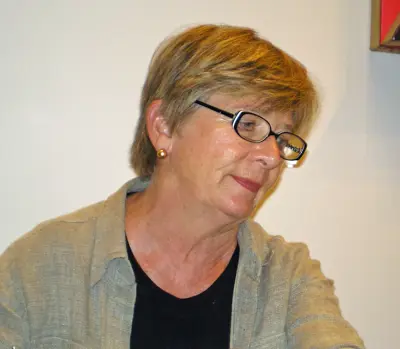
Barbara Ehrenreich is an American author and political activist who describes herself as "a myth buster by trade" and has been called "a veteran muckraker" by The New Yorker. During the 1980s and early 1990s she was a prominent figure in the Democratic Socialists of America. She is a widely read and award-winning columnist and essayist, and author of 21 books. Ehrenreich is perhaps best known for her 2001 book Nickel and Dimed: On (Not) Getting By in America. A memoir of Ehrenreich's three-month experiment surviving on minimum wage as a waitress, hotel maid, house cleaner, nursing-home aide, and Wal-Mart clerk, it was described by Newsweek magazine as "jarring" and "full of riveting grit," and by The New Yorker as an "exposé" putting "human flesh on the bones of such abstractions as 'living wage' and 'affordable housing'." She is a recipient of a Lannan Literary Award.
