Freemasonry Quotes
… if he is in Want, you must relieve him if you can, or else direct him how he may be relieved; you must employ him some days, or else recommend him to be employ’d. But you are not charged to do beyond your ability, only to prefer a poor Brother, that is a good Man and true before any other poor People in the same Circumstance.
Masons, Proscription of how to treat a fellow Mason who is destitute, Anderson Masonic Constitution, 1723
Sourced by: Eigen's Political and Historical Quotations

This passage was quoted by Colonial Massachusetts Governor John Winthrop in A Modell of Christian Charity, 1630.

This quotation is one of the earliest social safety nets. It is also one of the strictures of Jesus, to which most Christian communities have not strongly adhered. It is the religious foundation for welfare.

Normally, this would not be a particularly noteworthy quotation. However, at the time the Republican Party had shifted far to the right–more so than at any other time since its inception. The primary election he was in brought out the most right wing members of the party, which was for gutting the social safety net, did not see health care as a right, and even wanted to terminate Obamacare and Social Security as it existed. Yet when asked in a nationwide TV interview, what the government should do for the poor and destitute who could not afford health care or other necessities. His courageous answer and position doomed his bid for the presidential nomination.

This kind of ethical and moral commitment to others who are need distinguished Kasich from most Republicans of his time.

This was a swipe at the Conservatives at the time who were opposed to a Federal Government that would actively provide assistance directly to individuals. There was a belief amongst some politicians that by assisting people in need, their character would be weakened and the people and the society would be hurt in the long run.


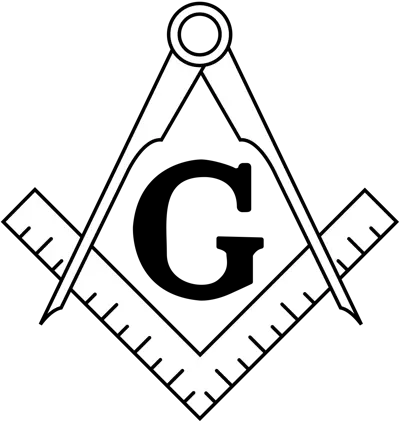
Freemasonry or Masonry consists of fraternal organisations that trace their origins to the local fraternities of stonemasons that from the end of the 14th century regulated the qualifications of stonemasons and their interaction with authorities and clients. Freemasonry has been the subject of numerous conspiracy theories throughout the years. Modern Freemasonry broadly consists of two main recognition groups:
