Jane Austen Quotes
If gratitude and esteem are good foundations of affection, Elizabeth's change of sentiment will be neither improbable nor faulty. But if otherwise--if regard springing from such sources is unreasonable or unnatural, in comparison of what is so often described as arising on a first interview with its object, and even before two words have been exchanged, nothing can be said in her defence, except that she had given somewhat of a trial to the latter method in her partiality for Wickham, and that its ill success might, perhaps, authorise her to seek the other less interesting mode of attachment.
Austen, Jane. Pride and Prejudice. T. Egerton, 1813.


The translation into the word "love" includes love of things as well as people. The Eigen translation is "All happiness or unhappiness solely depends upon the quality of those relationships with people and those thiongs about which a person is passionate." The Greeks had 7 diffferent words for love od different kinds and things. But the Latin in which this was written is a much less precice lanaguage, quite like English in that respect. The object of the passion might be people, a political movement, a area of study and inquiry like science or mathamatics, the production of something as in art music or literature--even a sport. But if the quality of the object of the passion is poor, the happiness rarely lasts.


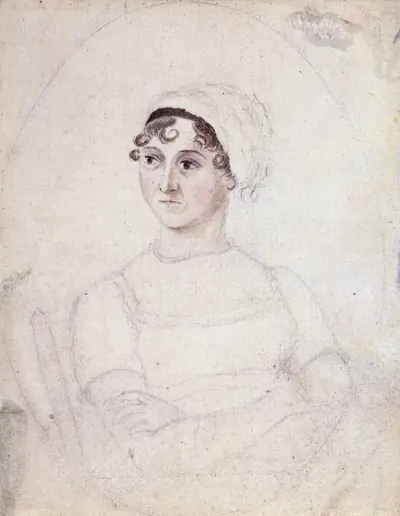
Jane Austen was an English novelist known primarily for her six major novels, which interpret, critique and comment upon the British landed gentry at the end of the 18th century. Austen's plots often explore the dependence of women on marriage in the pursuit of favourable social standing and economic security. Her works critique the novels of sensibility of the second half of the 18th century and are part of the transition to 19th-century literary realism. Her use of biting irony, along with her realism, humour, and social commentary, have long earned her acclaim among critics, scholars, and popular audiences alike.
