John Dewey Quotes
If a person cannot foresee the consequences of his act, and is not capable of understanding what he is told about its outcome by those with more experience, it is impossible for him to guide his act intelligently. In such a state, every act is alike to him.
Dewey, John. Democracy and Education. Macmillan, 1916, p. 119.


1st Marquees of Halifax. This is a very important quotation because it still has much validity today. The “Prince” is the Monarch, King or Official Heading the State. Savile points out that if the Price does not take the time or make the effort to understand an issue and its complexity, he then must trust his advisors and their opinions rather than have any intelligent and knowledgeable views of his own. In modern times the advice applies to elected officials, executive and legislative. If they do not take time and make the effort to understand a complex issue, they cannot use their own judgment but must accept the judgment of staff, friends, colleagues, party leaders, lobbyists or members of committees who they hope are not also ignorant. In modern legislatures, there are so many different issues in so many areas, that it is very difficult to have the time to make the effort to study all the issues. This problem is compounded with politicians as they tend to spend large amounts of their time fundraising for their next election and simply do not have enough time to study issues. In the Congress for example, most members vote on bills that they have not even read and they end up trusting someone else’s judgment.


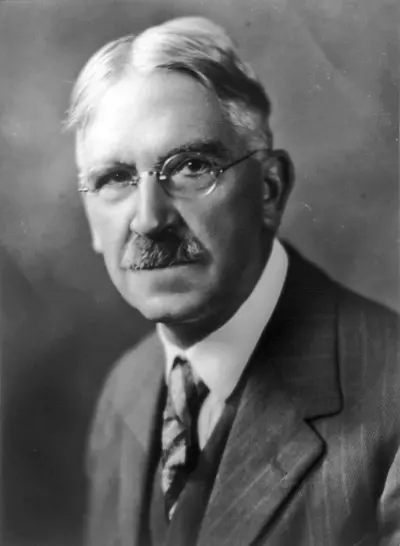
John Dewey was an American philosopher, psychologist, and educational reformer whose ideas have been influential in education and social reform. He was one of the most prominent American scholars in the first half of the twentieth century.
