James Ellroy Quotes
I'd never been interested in the Kennedy assassination until '88, when I read Libra. And from that point, I went out and bought the existing Kennedy theory books, most of which are outlandish. But what DeLillo posits - some rogue CIA guys - is the most dramatically sound, plausible explanation for it.
Ellroy, James. Conversations with James Ellroy. Edited by Steven Powell, University Press of Mississippi, 2012, p. 109.


There was no way of reopening the investigation into the assassination without the public finding out that the CIA and FBI both had deliberately misled the Warren Commission and the House Investigating Committee in the original investigation. Nixon and other politicians who likely knew of the scandal did not want the confidence of the public eroded in this important agencies, and that was probably his motivation for the turn down rather than trying to cover up facets about the assassination itself.


Most Americans do not believe the official explanation of the Warren Commission that Oswald acted alone. However, Kerry was the first of very few high government officials who would express this opinion in public. The fact that Oswald himself was then assassinated in the Dallas Police Station denied any information from him. Then were many foul ups of the investigations that most analysts of the assassination believe were foul ups or cover-ups of other wrong doing. Examples were: Parts of Kennedy’s brain was missing and the autopsy notes were burned by the naval physician who did the autopsy before anyone could see them; the FBI and CIA both lied to the Warren Commission, President Johnson, and Attorney General Robert Kennedy; Both the FBI and the CIA had files on Oswald; the CIA had tried to assassinate Fidel Castro before including paying the Mafia to do it (The efforts were bungled and Castro found out about most; Oswald had w few weeks earlier tried to assassinate the right wing John Birch Society fanatic, General Edwin Walker and the CIA and FBI missed that.); Shortly before the assassination Walker and his fanatics printed and distributed a “Wanted for Treason” poster accusing President Kennedy of selling out America. (See {635732}.)


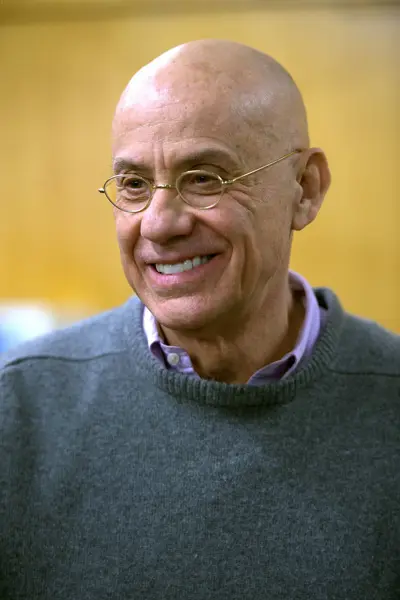
Lee Earle "James" Ellroy is an American crime fiction writer and essayist. Ellroy has become known for a telegrammatic prose style in his most recent work, wherein he frequently omits connecting words and uses only short, staccato sentences, and in particular for the novels The Black Dahlia (1987), The Big Nowhere (1988), L.A. Confidential (1990), White Jazz (1992), American Tabloid (1995), The Cold Six Thousand (2001), and Blood's a Rover (2009).
