Langdon Cheves Quotes
I would rather see the objects of the war fail,—I would rather see the seamen of the country …. and our commerce swept away …, than see the long arm of the Treasury indirectly thrust into the pocket of the citizen through the penal law.
Langdon Cheves, 1776-1857, U. S. Congressman (Democrat, SC), President of the Bank of the United States, Speaker of the House, Congressional Debate, December 4, 1812
Sourced by: Eigen's Political and Historical Quotations


Wilson was very candid that there would be high cost to war and sacrifice would be needed. See {584570} for other similar candor. This quotation was often used by critics of George W. Bush who initiated the Iraq War and then cut taxes for the rich, but then financed the war through the budgetary emergency appropriations bypassing the budget rules that the revenue must be specified to pay for it. His administration even claimed at an early stage in the war that the oil revenue from Iraq oil would defray the costs.

In early times societies were virtually all agricultural with farming most of the gross domestic product of any culture or nation.

Jackson was then a U. S. Senator


Two years after 9-11 the George W. Bush administration was pushing the envelope on due process, ethnic profiling and other civil rights issues. Clinton wanted to be helpful so he chastised those civil libertarians who were totally fixated on civil rights to the exclusion of almost all else.
She was one of the leaders fighting the proposal to allow casino gambling in the state. Months later, the legislature passed a bill allowing 3 casinos in the state and the Governor signed it. No one disagreed with Ms. Tucker, but with the Great Recession diminishing state tax revenue, most legislators and the governor felt that the benefits outweighed the problems.


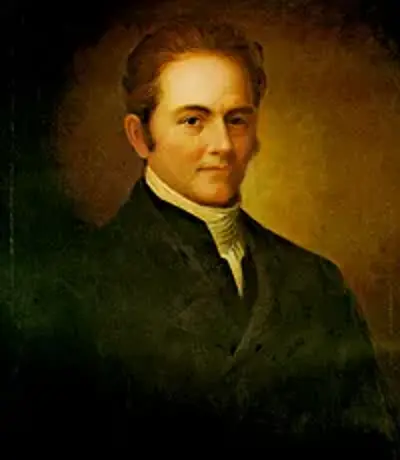
Langdon Cheves was an American politician, lawyer and businessman from South Carolina. He was a U. S. Representative from 1810 to 1815, served as Speaker of the House in 1814–1815, and was president of the Second Bank of the United States from 1819 to 1822.
