Ted Rall Quotes
I was reading through all these NSA programs that Snowden has revealed, and one of the ones that fascinated me was that smart TVs can be used to look at you in your room. That is totally like the telescreen from 1984. It's not sort of like it, it's not a lot like it, it is it. And the ability of the NSA to turn on your cell phone, even if it's powered down, and listen to you in your home - that's insane to me. People had been warning that 1984 was just around the corner. Well, it has arrived, and Snowden has proven that.
Dueben, Alex. "Interview with Ted Rall." Comic Book Resources, 2015.

Critics of NSA observe that there is a fundamental difference between government invasion of privacy and that of corporations in that the Government can deprive a citizen of his/her liberty or even life while corporations can just invade their privacy, embarrass them, or hurt their economic status. Counter-critics rejoinder is that 99 percent of all the specific abuses of privacy and damages to citizens in the U. S. from massive data collection are made by private corporations, not the NSA or other government agencies.


Major leaks made public the fact that the NSA was hacking into the European and other foreign servers of Google, Microsoft and other technology companies and vacuuming up 500 million internet communications every day. (It would be illegal for them to do this in the United States, but via the outside USA servers they capture the information of US Citizens sending E-mail within the United States. The reaction of many foreign government was outrage as their citizen’s private communications were being captured as well. They began to take steps to curtain their country’s high utilization of American company data storage and transmission and regulate the American firms much more extensively. So American company business and profits were damaged by the NSA surveillance programs which the companies did not know about.

Snowden, was a contract worker for Booz Allan assigned to the National Security Agency (NSA). He felt that some of the NSA activities were illegal and unethical and tried to complain to NSA officials who rebuffed him. Despite the fact that he had signed an agreement not to do so, he copied many critical, classified documents that exposed much of the NSA activities that the NSA officials had denied existed—including lying under oath to the Senate. He then made many of them public, violating his oath, breaking the law, and opening up an entire area of government spying which most Americans knew nothing about and about which senior government officials had lied under oath to Congress. They of course wanted to prosecute Snowden who had told the truth, while they had lied. For many Americans, this became a moral and ethical conundrum.


The National Security Agency under George W. Bush was secretly intercepting the phone calls of American citizens in the United States which was technically against the law. The newspapers had broken the story and the comedians had a field day.

He was trying to assuage the anger and anxiety when it became public that the NSA had been monitoring all the calls of American citizens and not only suspected terrorists. He made the distinction between metadata and content. He claimed NSA was gathering the phone numbers of the parties on the call, the time and duration, but not listening in to the contents. Critics asked how he could be sure and that if the agency were gathering all the data, they could easily listen to any. Later the agency admitted that it had “inadvertently” examined the content of some communications.

The reason this quotation is famous is that Clapper answered “No, Sir”. 3 months later Edward Snowden disclosed the fact that the NSA was collecting some information from EVERY telephone call and e-mail made or sent in the United States. The colloquy became famous when the government tried to capture Snowden and try him for illegally revealing classified information when others saw him as a whistle blower who had told the truth and the guys who lied to Congress and the American people wanted to prosecute him.
Snowden, was a contract worker for Booz Allan assigned to the National Security Agency (NSA). He felt that some of the NSA activities were illegal and unethical and tried to complain to NSA officials who rebuffed him. Despite the fact that he had signed an agreement not to do so, he copied many critical, classified documents that exposed much of the NSA activities that the NSA officials had denied existed—including lying under oath to the Senate. He then made many of them public, violating his oath, breaking the law, and opening up an entire area of government spying which most Americans knew nothing about and about which senior government officials had lied under oath to Congress. They of course wanted to prosecute Snowden who had told the truth, while they had lied. For many Americans, this became a moral and ethical conundrum.

See {635177} for the event that triggered the statement.

The NSA had been publicly exposed (by the Edward Snowden leaks) as collecting data on virtually every American’s phone and on-line conversation, and criticism was rampant.

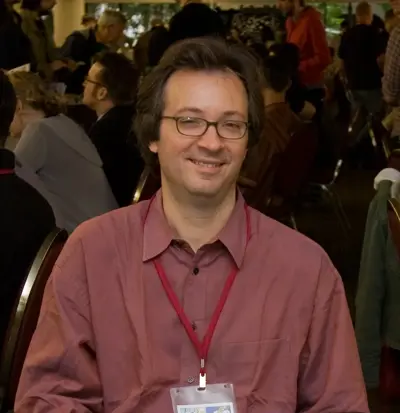
Frederick Theodore Rall III is an American columnist, syndicated editorial cartoonist, and author. His political cartoons often appear in a multi-panel comic-strip format and frequently blend comic-strip and editorial-cartoon conventions. The cartoons used to appear in approximately 100 newspapers around the United States. He was president of the Association of American Editorial Cartoonists from 2008 to 2009.
