Michael E. Mann Quotes
I was interested in variations in temperatures of the oceans over the past millennium. But there are no records of these changes so I had to find proxy measures: coral growth, ice cores and tree rings.
McKie, Robin. "Climate Scientist Michael Mann: 'The Trouble Is That the Hockey Stick Graph Became an Icon'." The Observer, Guardian News & Media, 3 Mar. 2012.


A good example is Malaria. It is spread by mosquitos, mostly in the warmer seasons when they breed in large numbers. If there are longer warm seasons, there will be a longer transmission season and more people will be infected with Malaria. Similar situations exist with many other diseases.

At the time this article was written coal was being phased out in most of the country but not as the result of any political actions. The new technologies of producing shale oil and fracking had driven down the price of natural gas and oil, making coal the most expensive fuel alternative so the market place was finally doing what the politicians would not do. Ironically, the conservative politicians from coal producing states like West Virginia and Kentucky, who would normally say that government should always defer to the marketplace, then called for government action to protect the coal industry from the marketplace.


It was Bruckner who first started serious discussion about human behavior affecting the climate of the earth. So the polarizing political issue really began in 1890.

This quotation shows that man has always had a serious effect on the environment. And that indigenous peoples did not necessarily have a harmonious relationship with nature. A few did, just like some modern humans do, but most did not then as most of us do not now.


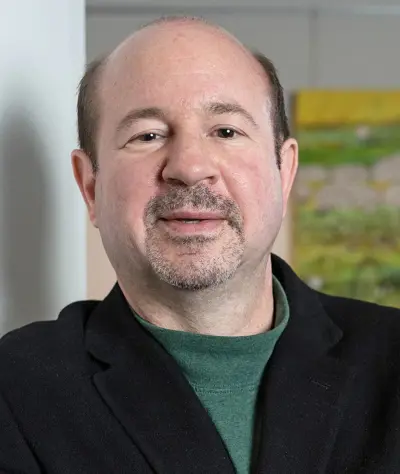
Michael Evan Mann (born 1965) is an American climatologist and geophysicist. He is the director of the Earth System Science Center at Pennsylvania State University. Mann has contributed to the scientific understanding of historic climate change based on the temperature record of the past thousand years. He has pioneered techniques to find patterns in past climate change, and to isolate climate signals from noisy data.
