James Wolfensohn Quotes
I was deeply concerned then, and have become more concerned since, that unless we can deal with the questions of development and the questions of poverty, there's no way that we're going to have a peaceful world for our children.
Wolfensohn, James D. Voice for the World's Poor: Selected Speeches and Writings of World Bank President James D. Wolfensohn, 1995-2005. World Bank Publications, 2005.


Referring to the greenhouse effect and global warming problems being caused by the devastation of tropical rainforests:

At the time the Permanent China Seat in the United Nations was held by Chang Kai Chek and his nationalist forces who had abandoned the Chinese Mainland and were holding out on the island of Formosa (Taiwan). The Chinese Communists who represented 800 million Chinese wanted the China Seat. Most of the world saw the solution as recognizing the two de facto Chinas and having them both in the U. N. The Communists insisted that there was only one China and they were the legitimate representatives. The Nationalists, ironically took the same one China position, deluding themselves into thinking that they would get control of the Mainland. They put pressure on the U. S. and we adopted the “One China” policy which was adopted by most of the world. Soon it became evident that Taiwan was a small island of people who represented no one else in China, and the single Chinese seat went to the Communists. Later, many in Taiwan regretted the one China policy and would have loved to be recognized as an independent country.


What is also neglected very often is that America and the other developed nations exploited and destroyed much of their own environment in the process of developing yet they express concern that the lesser developed nations will do what they do.

The program became known as "The Marshall Plan." The only soldier ever so honored


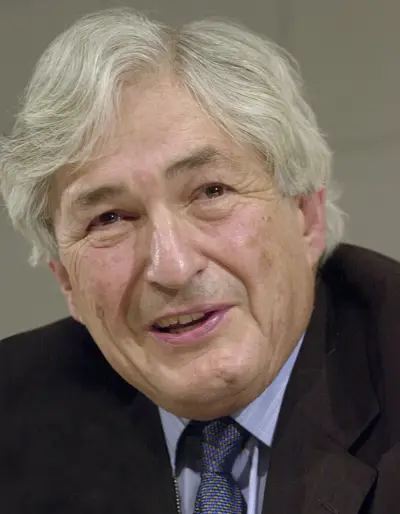
Sir James David Wolfensohn KBE AO was an Australian-American lawyer, investment banker, and economist who served as the ninth president of the World Bank Group (1995–2005). During his tenure at the World Bank, he is credited with the focus on poverty alleviation and a rethink on development financing, earning him recognition as a banker to the world's poor. In his other roles, he is credited with actions that brought Chrysler Corporation back from the brink of bankruptcy, and also improving the finances of major United States cultural institutions, including Carnegie Hall and the Kennedy Center. He served two terms as President of the World Bank on the nomination of U.S. President Bill Clinton, and thereafter held various positions with charitable organizations and policy think-tanks including the Brookings Institution.
