Walter Winchell Quotes
I usually get my stuff from people who promised somebody else that they would keep it a secret.
Gabler, Neal. Winchell: Gossip, Power and the Culture of Celebrity. Knopf, 1994, p. 125.


The Time Magazine Reporter, Hugh Sidey had just leaked the results of a Time poll to Kissinger, who promised to keep it to himself. The poll showed Nixon way ahead in the election. No sooner had Kissinger ended his conversation with Sidey than he shared the poll information with Haldeman. In this fascinating quotation Kissinger breaks his promise to Sidey, but lets Haldeman know that he is doing so. This is an example of the insight the Watergate tapes give us into political behavior where leading public officials think nothing about going back on their word, but they even gain esteem from their colleagues in doing so. It also illustrates a common but not very well known practice regarding leaking. The press not only utilize leaks from high administration officials but in many cases they return the favor and leak information about what stories they are working on, editorials coming or—as in this case—the results of polls. The leaking is not only one way in politics, but the press also leaks to increase the personal bond with the government leakers by reciprocating.

CREEP in the Nixon Campaign

At the time Holland was a republic and a confederation of different states. There was an assembly of delegations from each of the States but most important decisions tended to be made by the Prince and a few of the representatives in his sway. Mathenesse was the delegate of the largest and wealthiest state but even others in his state delegation were out of the loop. Others claimed that the necessity of secrecy was just a pretext for a small group to dominate the republic. See {620069}. This battle goes on in almost every country including the United States where there are many matters in which only a few members of Congress and the President make decisions with national security given as the reason. In many cases there has been such a reason, but it is very easily corrupted into a pretext as only the people on the inside who get to make the decision know what the secret material was.

The “wrong” people to Helms. Were Americans who disagreed with his methods and politics—especially members of Congress who wanted to make the CIA more accountable for its actions. If nothing is ever written down and everything is secret, there is no practical way of holding the agency accountable in a democracy. Helms was later convicted to perjury for lying to Congress.

This is a major issue for the nation. How can the president be responsible if he is not informed? However, some argue that the President must have “plausibility deniability” so he can deceive foreign leaders without lying to them. The laws require that nothing may be withheld from the President but there are some in the agency including past directors who believe that they sometimes should lie to the President or withhold information when it is in the national interest—which of course only they judge without any checks and balances.


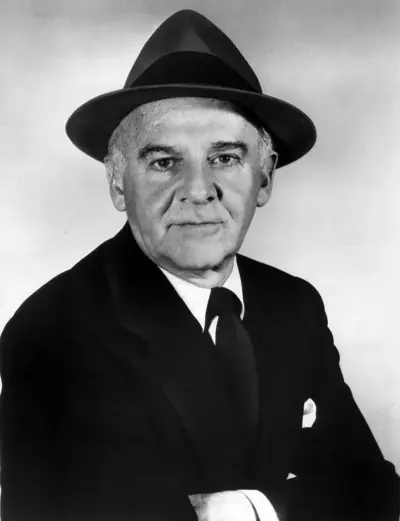
Walter Winchell was a syndicated American newspaper gossip columnist and radio news commentator. Originally a vaudeville performer, Winchell began his newspaper career as a Broadway reporter, critic and columnist for New York tabloids. He rose to national celebrity in the 1930s with Hearst newspaper chain syndication and a popular radio program. He was known for an innovative style of gossipy staccato news briefs, jokes and Jazz Age slang. Biographer Neal Gabler credited his popularity and influence meant “He turned journalism into a form of entertainment.”
