Mahatma Gandhi Quotes
I understand democracy as something that gives the weak the same chance as the strong.
Gandhi, Mahatma. The Collected Works of Mahatma Gandhi. Vol. 72, Publications Division, Ministry of Information and Broadcasting, Government of India, 1978, p. 57.


As hard as it is for us to imagine today, while her husband was President of the United States, the First Lady wrote a nationally syndicated newspaper column every single day with politics frequently the subject. While she usually agreed with the President, there were occasions where they seemed to not see things exactly the same. She tended to be more liberal than he. However, there were those who believed that when she criticized politicians, it was with FDR’s knowledge and blessing and she sometimes did his “dirty work.” Eleanor Roosevelt was one of the most influential people in the country—certainly more-so than any First Lady before and since.


In 1881 this view was that of a radical political outlier. In the first decades of the 21st century, this was a generally acceptable political viewpoint held by members of both major political parties.


Most politicians at the time agreed with this statement. In the next 25 years, the economic system grew less fair and when government officials tried to come up with remedies, they sublimated fairness, to economic recovery, and America went through a phase where fairness was far less important then it traditionally had been.

Although Holland was more egalitarian and fairer than most nations of Europe, it was not quite as desirable as Diderot described it. He only visited a part of Holland that was the most educated and affluent.


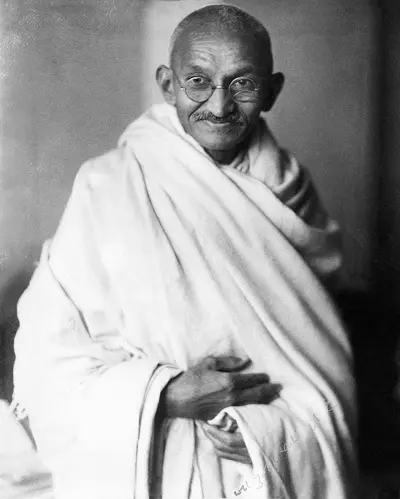
Mohandas Karamchand Gandhi was an Indian lawyer, anti-colonial nationalist, and political ethicist, who employed nonviolent resistance to lead the successful campaign for India's independence from British rule, and in turn inspired movements for civil rights and freedom across the world. The honorific Mahātmā (Sanskrit: "great-souled", "venerable"), first applied to him in 1914 in South Africa, is now used throughout the world.
