George Eliot Quotes
I think the effective use of quotation is an important point in the art of writing. Given sparingly, quotations serve admirably as a climax or as a corroboration, but when they are long and frequent, they seriously weaken the effect of a book. We lose sight of the writer - he scatters our sympathy among others than himself - and the ideas which he himself advances are not knit together with our impression of his personality.
Eliot, George. Leaves from a Note-Book. William Blackwood and Sons, 1884, p. 210.


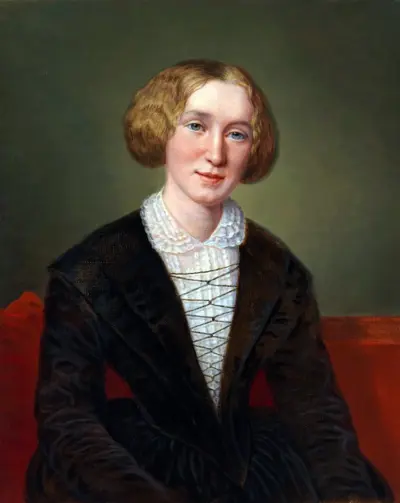
Mary Ann Evans, known by her pen name George Eliot, was an English novelist, poet, journalist, translator and one of the leading writers of the Victorian era. She wrote seven novels, Adam Bede (1859), The Mill on the Floss (1860), Silas Marner (1861), Romola (1862–63), Felix Holt, the Radical (1866), Middlemarch (1871–72) and Daniel Deronda (1876). Like Charles Dickens and Thomas Hardy, she emerged from provincial England and most of her works are set there. They are known for their realism, psychological insight, sense of place and detailed depiction of the countryside.
