Drew Gilpin Faust Quotes
I think that the firepower of the Civil War, the numbers of bodies that were left to rot, the numbers of amputations in the Civil War, all of this created threats to the understanding of the human being as an integral soul, as a body and soul that could be united.
Faust, Drew Gilpin. Interview by Terry Gross. Fresh Air, NPR, 28 Jan. 2008.


Sherman had friends in the South and he saw rebellion and war coming. Most Southerners had a romanticized view of war and were so wrapped up in trying to preserve their economic and cultural way of life that they did not think through the implications of such a war. After and during the war, he was particularly angry with the Southerners who had brought such terrible casualties and destruction upon the land and its people.


Suggesting that the War Office be less euphemistic, hiding the horrors of war he proposed signs of the office doors. In 1799 the same article appeared again under the name of Dr. Benjamin Rush who may have plagiarized the original or, as some argue, may have actually authored the 1792 article.


Despite the horrors and war crimes of Andersonville Prison, there were many instances of both sides of the Civil War assisting the enemy when wounded. Also, the primitive facilities for caring for the wounded, who would sometimes lay on a battlefield for 2-5 days before anyone got around to assisting them if they were still alive. Walt Whitman, in addition to being a great poet, was a nurse.


He was the most decorated soldier in WWII with 21 medals.


Instead Lee took Longstreet’s advice and surrendered at Appomattox.

While he thought his own country had been so badly impacted by the war, other nations were in worse shape and suffered more. Russia for example. And of course Germany brought total devastation on itself.


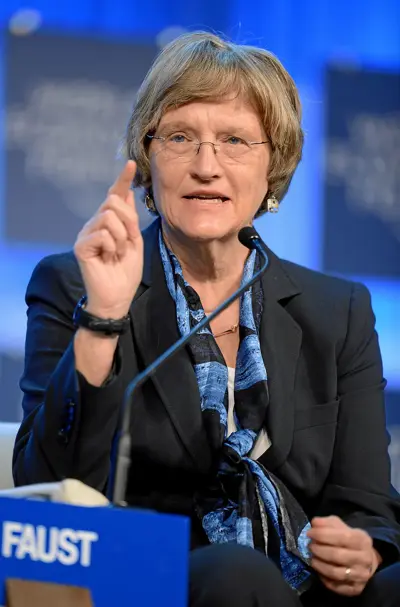
Catharine Drew Gilpin Faust is an American historian and was the 28th President of Harvard University, the first woman to serve in that role. Faust is the former dean of the Radcliffe Institute for Advanced Study; she was Harvard's first president since 1672 without an undergraduate or graduate degree from Harvard and the first to have been raised in the South.
