Billy Eckstine Quotes
I knew exactly what I was, and there was no hang-up with me. None whatsoever. The fact that the pigment of my skin maybe being lighter brown than other people of my race, maybe some of them, but you know our race has all colors.
Eckstine, Billy. Interview by Joe Smith. Joe Smith Collection, Library of Congress, Recorded Sound Research Center.


The chief clerk was only complying with the NYC laws which were preoccupied with identifying racial intermarriage which was not common and frowned upon even in liberal New York City. However, the clerk had wanted to get rid of the questions and used this case and a few months later New York City no longer asked for color on their marriage license. No one could find a legal definition or a scientific definition of color or race that could guide a citizen who did not know.

It is hard to tell what was the basis for Marti’s famous statement. We know now from modern DNA analysis and the human genome that we are all a single race but that was not known then. Many contemporaries thought he was speaking metaphorically, spiritually or religiously. In the view of Christ, there was only man. However, this was one of the first statements of this truth which at the time was not believed by almost everyone.


The population was an amalgam of Spaniards, Englishmen and other Europeans, Blacks originally brought over as slaves from Africa, and indigenous people from many different tribes.


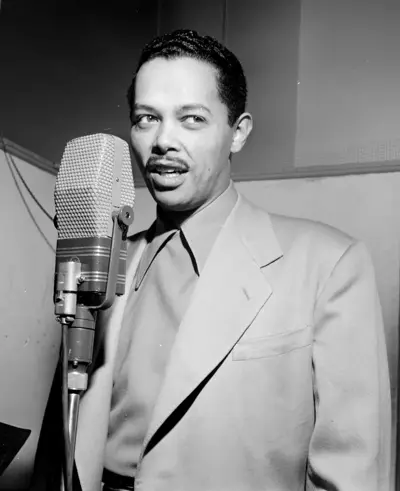
William Clarence Eckstine was an American jazz and pop singer and a bandleader during the swing era. He was noted for his rich, almost operatic bass-baritone voice. His recording of "I Apologize" (MGM, 1948) was given the Grammy Hall of Fame Award in 1999. The New York Times described him as an "influential band leader" whose "suave bass-baritone" and "full-throated, sugary approach to popular songs inspired singers like Earl Coleman, Johnny Hartman, Joe Williams, Arthur Prysock and Lou Rawls."
