Alex Tizon Quotes
I guess you could say I've written a lot about one thing as a journalist. But I hardly ever saw it as exclusively about race. To my mind, it was more about telling stories of people who existed outside the mainstream's field of vision. Invisible people.
Tizon, Alex. Big Little Man: In Search of My Asian Self. Houghton Mifflin Harcourt, 2014.


Historically, until recently there has been a migration from the South to other parts of the country. After legal segregation ended, the out migration slowed and by the end of the 20th century, people—including intellectuals began moving to the South. Generally, the vestiges of the anti intellectualism began to fade, but even into the 21st century the College Board Test Scores and other educational measures were generally lower in the South than in the rest of the country. Ironically, whereas the Southern insistence on segregated schools was to prevent the intellectual erosion that racists thought would come with integration, the educational achievement of the schools and population of the less segregated school areas was considerably better. With legal segregation, there were very few high quality universities in the South and no “World Class” schools. However, along with desegregation has been the intellectual and academic improvement of the Southern Schools and the South began to have, for the first time in America, some educational institutions that were on a par with the rest of the country. The South paid a heavy price for segregation and insularity.


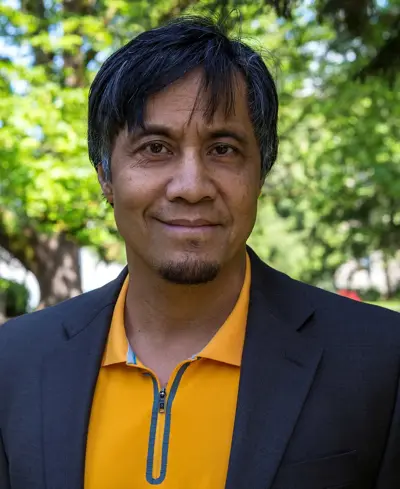
Tomas Alexander Asuncion Tizon was a Filipino-American author and Pulitzer Prize-winning journalist. His book Big Little Man, a memoir and cultural history, explores themes related to race, masculinity, and personal identity. Tizon taught at the University of Oregon School of Journalism and Communication. His final story, titled "My Family's Slave", was published as the cover story of the June 2017 issue of The Atlantic after his death, sparking significant debate.
