Martin Luther King Jr. Quotes
I cannot sit idly by in Atlanta and not be concerned about what happens in Birmingham.
King, Martin Luther, Jr. "Letter from Birmingham Jail." Why We Can't Wait, Harper & Row, 1964, p. 77.


Samuel Langhorne Clemens, 1835-1910. Although a liberal, Twain clearly recognized one of the fundamental shortcomings of government. This and other skepticism about government made him popular with small government conservatives as well.

Almost all politicians in the first half of the 20th century argued for more government management to emulate that of businesses in the private sector. Lehman was one of the first modern politicians to advocated not emulating all of the management practices of business.

He was following the lead of Colin Kaepernick—Quote 643305. Instead of standing and saluting as professional athletes have done for decades before games, Kaepernick had kneeled and refused to stand as a protest about the large number of unarmed Black young men who had been killed by police. . This caused great public criticism but also some initial support. Athletes who did this were potentially risking their multimillion dollar salary as this technically violated their contract to avoid anything embarrassing to the team. He also donated $1 million to programs in the area that were working to enhance Black/white understanding. Even those who disagreed with his choice of protest defended his right to do so, and after the initial furor, public opinion, while not in agreement about his method, tended to support him for having the courage of his convictions and using his celebrity for a worthy cause. McCourty and other players also followed Kaepernick’s lead. Soon it became a movement in professional and college athletics.


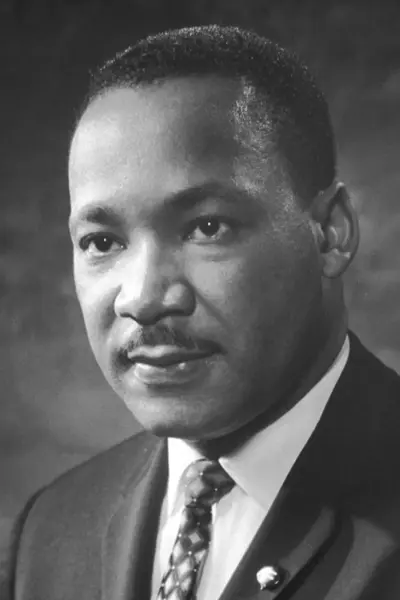
Martin Luther King Jr. was an African American Baptist minister and activist who became the most visible spokesperson and leader in the American civil rights movement from 1955 until his assassination in 1968. King advanced civil rights through nonviolence and civil disobedience, inspired by his Christian beliefs and the nonviolent activism of Mahatma Gandhi. He was the son of early civil rights activist Martin Luther King Sr.
