Gary Becker Quotes
I argued last year on my shared blog that selling the right to immigrate would be the best approach to legal immigration. Among other benefits, the revenue from immigrants' payments could reduce taxes. Paying for the right to immigrate would also negate the argument that immigrants get a free ride when they gain health care and other benefits. Moreover, making immigrants pay would attract the type of immigrants who came much earlier in American history: young men and women who are reasonably skilled and want to make a long-term commitment to the United States.
Becker, Gary S. "Sell the Right to Immigrate." Hoover Digest, no. 1, 30 Jan. 2007.


This is often true despite the fact that the majority of people think that the immigrants are costing more in service provision that they contribute on taxes. In addition the immigrant spend most of their earnings which further benefits the economy. Despite that the British voted to withdraw from the EU so that they could control and reduce the immigration. A similar situation existed at that time in the United States. However, in America the financial tradeoffs are more complex. Each immigrant worker and his employer pay about 15% of his earnings in taxes, but that money goes to the Federal Government. The sales and other taxes that the immigrants pay when they spend their earnings generally go to the state government. Meanwhile, almost all the services, especially education are paid for by the local governments . So typically on each new immigrant the Federal Government has a positive cash benefit, the State government a smaller one, but the local government is cash negative. This anomaly is mostly caused by the fact that the vast majority of the funds that pay for American education come from local property taxes and the immigrants rarely can afford to by property when they first arrive,


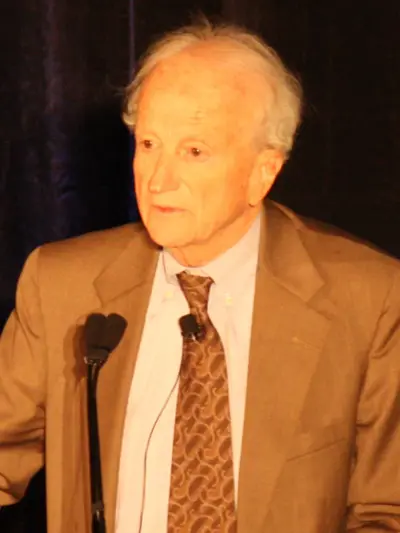
Gary Stanley Becker was an American economist who received the 1992 Nobel Memorial Prize in Economic Sciences. He was a professor of economics and sociology at the University of Chicago, and was a leader of the third generation of the Chicago school of economics.
