Lee H. Hamilton Quotes
How much reform do you think this institution [Congress] can take?
Lee H. Hamilton, U. S. Congressman (Democrat, IN), Vice-Chairman 9-11 Commission, Question of Joe Moakley in Joint Committee Hearing on Congressional Organization, August 30, 1993
Sourced by: Eigen's Political and Historical Quotations


This is the reason that it is so hard to reform Congress.

The Prime Minister and his Tory Party was calling for Senate Reform


1st Baron Verulam

1st Earl of Beaconsfield


At the time of this quotation, Thompson was campaigning for the Republican Presidential Nomination for which he did not make a good showing in the primaries.


This president served his terms as allowed by the Constitution but then moved to change the constitution so that he could be the dictator as perpetual president. The purpose of constitutions is to limit and control the day to day political process and processes of reform. This stands the purpose of a constitution on its head. Modern totalitarian states almost all have constitutions. However where they differ from democracies is that the dictatorships ignore their constitutions, constantly suspend them in “emergencies” or change them at will to serve the interests of the ruling authorities. See {622125} for a Supreme Court Justice’s view of this kind of situation.


Although there are many historical and political thinkers who do not agree that upheavals are inevitable or desirable in America, Vann Woodward and many others follow the school of American thought led by Thomas Jefferson and others of the founding fathers. With the exception of the Civil War most of the American upheavals, though painful to many losing privilege and power have not been massively bloody and have been mostly political.


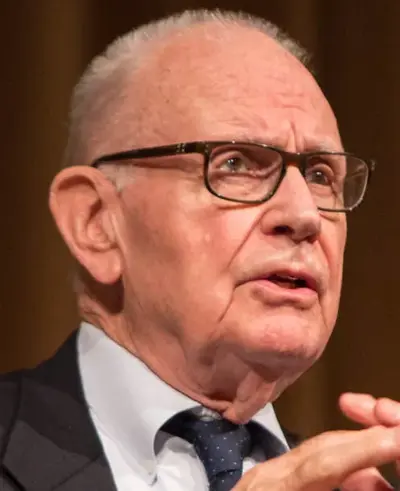
Lee Herbert Hamilton is an American politician and lawyer from Indiana. He is a former member of the United States House of Representatives and a former member of the U.S. Homeland Security Advisory Council. A member of the Democratic Party, Hamilton represented the 9th congressional district of Indiana from 1965 to 1999. Following his departure from Congress, he has served on a number of governmental advisory boards, most notably as the vice chairman of the 9/11 Commission.
