Alice Walker Quotes
How long will it take the citizens of the United States, one wonders, to recognize that the house their country bombed in Iraq is the same one they were living in until it was foreclosed?
Walker, Alice. The Cushion in the Road: Meditation and Wandering as the Whole World Awakens to Being in Harm's Way. The New Press, 2013.


The Arab armies of Egypt, Syria, Jordan and the PLO were preparing a coordinated attack on Israel. After statements like this, the Israeli’s preempted the attack, routed the Egyptian Airforce and Army, and then defeated the other three. The Arab “War of Liberation” resulted in the Arabs losing more with Israel tripling it’s control of area. The quotation however cast a pall over attempts thereafter to create a Palestinian State as in effect the PLO had announced a policy of a Holocaust—the extermination of the Israelis. The dispute over land was not for the Jewish state a land negotiation amenable to compromise and give and take, but instead was an existential threat to Israel whereby any compromise might result in the death of the entire population. As the ultimate intention of the PLO had been revealed.

The attack on the World Trade Towers and our military reaction to that could not fairly be blamed on Bush. However, the Iraq War was certainly a policy choice he made. And he also made the decision to cut taxes (mostly for the rich) on the assumption that this would stimulate the economy and produce even more taxes. It did not. And also on Bush’s policy responsibility was his decision not to raise taxes to pay for a war. This had never been done in American history. And Bush was fighting two wars. In addition when he took office Bill Clinton had balanced the budget and left a substantial surplus. Instead of using the surplus to pay for his other policy decisions, he spent it.


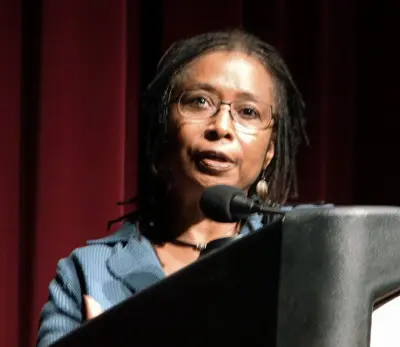
Alice Malsenior Tallulah-Kate Walker is an American novelist, short story writer, poet, and social activist. In 1982, she published the novel The Color Purple, for which she won the National Book Award for hardcover fiction, and the Pulitzer Prize for Fiction. She also wrote the novels Meridian (1976) and The Third Life of Grange Copeland (1970). An avowed feminist, Walker coined the term womanist to mean "A black feminist or feminist of color" in 1983.
