George Herbert Quotes
He that sings on friday, will weepe on Sunday.
Herbert, George. Jacula Prudentum. Humphrey Moseley, 1651.

Her daughter did not then take the advice and when she did regret it, as her mother had warned, it was too late. She was executed in the French Revolution. It is by no means clear however that had she taken the advice and respected the French customs more, the result would have been any different. The revolutionary forces of France at the time were building and the Queen’s behavior gave the revolutionists a soft target, but there were many other troubles in France---most much more important than court behavior of the queen.


Lee had advised the Southern leadership to avoid secession and the war that would follow. However, the Southern leaders did not really believe that the remainder of the Nation would fight and take casualties to end the institution of slavery. While many would not, they misjudged the intensity of those who would, the moral power of the abolitionists and most Northern religious leaders. Nor did they understand the importance to most Northerners of preserving the Union. And they really had no comprehension of the industrial capability of the Northern free labor states or the importance of that in a long protracted war. Lee, more sophisticated than the other Southern leader, had a more realistic assessment, but thought that there was a chance that the South might have enough early success that the North would politically make the war untenable, but he realized the cost in men and material under the best of circumstances. Lee’s surrender came shortly afterward.


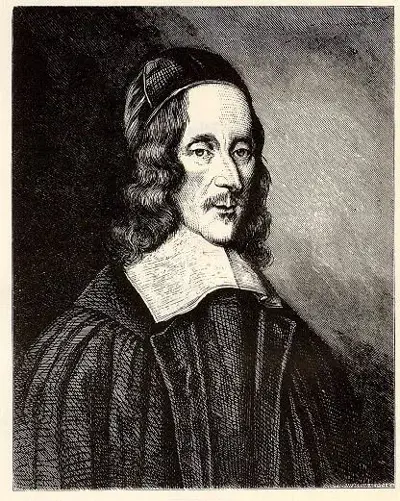
George Herbert was a Welsh-born poet, orator, and priest of the Church of England. His poetry is associated with the writings of the metaphysical poets, and he is recognised as "one of the foremost British devotional lyricists." He was born into an artistic and wealthy family and largely raised in England. He received a good education that led to his admission to Trinity College, Cambridge, in 1609. He went there with the intention of becoming a priest, but he became the University's Public Orator and attracted the attention of King James I. He served in the Parliament of England in 1624 and briefly in 1625.
