Francis Parker Yockey Quotes
Hatred is not contained in political thinking. Any hatred worked up against the public enemy is non-political, and always shows some weakness in the internal political situation.
Yockey, Francis Parker. Imperium: The Philosophy of History and Politics. Westropa Press, 1948.


The report was praised by some of the intellectuals of Pakistan and most of the non-Islamic world. However, Pakistan the discussion of each of the cleavages, instigated the public passion of the cleavage and nothing significant was done.

_0_thumbnail_47x47.jpg "Statue of Robert Hall in Leicester.")

West, a very articulate, personable and accomplished Tea Party Candidate had won one of the 2010 congressional races in Florida. After two years in office, his rhetoric was so negative, vituperative, hateful and obviously untrue that the voters turned him out.

This quotation is classic as it was the first of a series of attacks that have been made on presidents and other politicians by the economic ultra-rightists when the conservatives had disliked the politician’s economic policies. To criticize the ultra-rich and their corporations was promoting class warfare. And that criticism being made public certainly upset the confidence of the rich in the President. When the president pointed out how the average person feels about the rich, to them it was he who was responsible for the mistrust and hatred by talking about them—not them by what they were doing. This same attack has been made against every Democratic President that came thereafter, but it was first used against Republican Theodore Roosevelt. For many Liberals, the way they know that they are starting to succeed with economic reform is when they get attacked for fomenting class warfare.


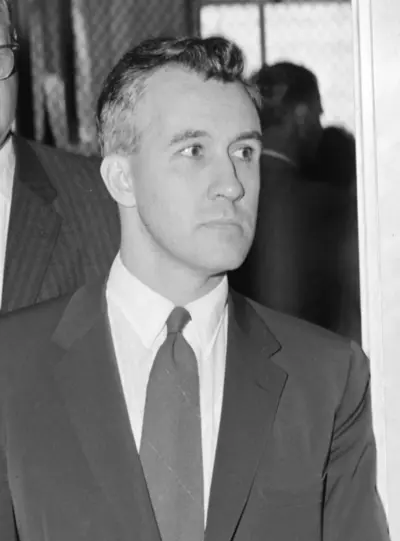
Francis Parker Yockey was an American attorney, political philosopher, white nationalist, and metaphysician best known for his neo-Spenglerian book Imperium: The Philosophy of History and Politics, published under the pen name Ulick Varange in 1948. This book, described in its introduction as a "sequel" to Spengler's The Decline of the West, argues for a culture-based, totalitarian path for the preservation of Western culture.
