R. D. Laing Quotes
From the alienated starting point of our pseudo-sanity, everything is equivocal. Our sanity is not "true" sanity. Their madness is not "true" madness. The madness of our patients is an artifact of the destruction wreaked on them by us, and by them on themselves.
Laing, R. D. The Politics of Experience. Pantheon Books, 1967, p. 101.


On a tour of America, Dickens visited Eastern State Penitentiary, a Pennsylvania prison opened in 1829 which was supposedly a “modern” reform in law enforcement. Rather than work gangs or mandatory factory work and filthy living conditions, this was the first “penitentiary” in America. The guilty convicts would be in a small clean but bare cell for all but 1 hour or less a day, and the only thing in the cell other than soap and a toothbrush was a Bible. The convict was supposed to spend his entire sentence reading the Bible and being penitent for his crimes. It destroyed most inmates mentally until the Supreme Court ruled in 1890 that total solitary confinement was unconstitutional.


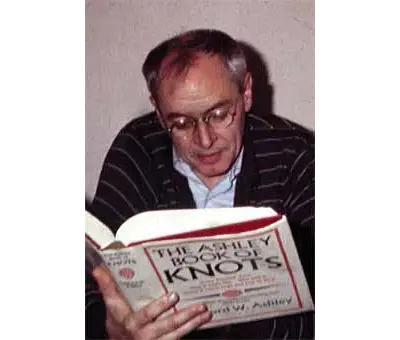
Ronald David Laing, usually cited as R. D. Laing, was a Scottish psychiatrist who wrote extensively on mental illness – in particular, the experience of psychosis. Laing's views on the causes and treatment of psychopathological phenomena were influenced by his study of existential philosophy and ran counter to the chemical and electroshock methods that had become psychiatric orthodoxy. Taking the expressed feelings of the individual patient or client as valid descriptions of lived experience rather than simply as symptoms of mental illness, Laing regarded schizophrenia as a theory not a fact. Though associated in the public mind with anti-psychiatry he rejected the label. Politically, he was regarded as a thinker of the New Left. Laing was portrayed by David Tennant in the 2017 film Mad to Be Normal.
