William Cobbett Quotes
Freedom is not an empty sound; it is not an abstract idea; it is not a thing that nobody can feel. It means, - and it means nothing else, - the full and quiet enjoyment of your own property. If you have not this, if this be not well secured to you, you may call yourself what you will, but you are a slave.
Cobbett, William. A History of the Protestant Reformation in England and Ireland. Charles Clement, 1824, par. 455.


See {587703} for a similar statement by a Supreme Court Justice.


He was the Russian Reformer who ended serfdom and gave land to the peasants and then was assassinated. Ironically, both Alexander II and Lincoln were assassinated—because of their reform efforts—Lincoln for going too far; the Czar for not going far enough. See the Nickname that was given to the Czar: {622809}.


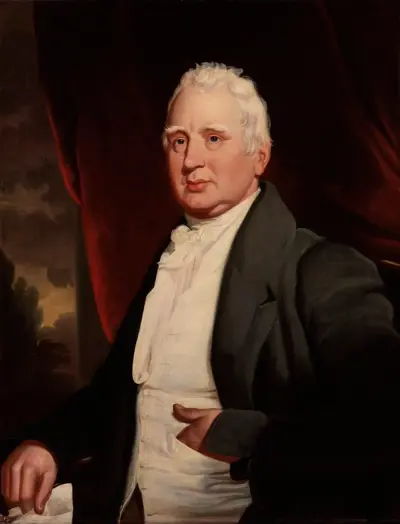
William Cobbett was an English pamphleteer, journalist, Member of Parliament and farmer born in Farnham, Surrey, one of a popular agrarian faction seeking to reform Parliament, abolish "rotten boroughs", restrain wanton foreign activity and increase wages, to promote domestic peace and ease poverty among farm labourers and smallholders. He backed lower taxes, saving, reversing enclosures of commons and resisting the gold standard of 1821. He sought an end to borough-mongers, sinecurists and "tax-eaters" (overpaid and corrupt bureaucrats, public servants and stockbrokers), and dismissed British Jews in a typecast by the same token. Early in life he was a soldier and devotee of king and country, but later pushed for a radicalism that helped to produce the Reform Act 1832 and gain him one of two seats in Parliament for the newly enfranchised borough of Oldham. He urged Catholic emancipation. He saw British agriculture and other economic output geographically. His polemics cover subjects from political reform to religion. His best known book is Rural Rides (1830, still in print). He argued against Malthusianism that economic betterment could support global population growth.
