Marcel Duchamp Quotes
For me, the 'Three Stoppages' was a first gesture liberating me from the past.
Kuh, Katharine. The Artist's Voice: Talks with Seventeen Artists. Harper & Row, 1962, p. 81.


The presidents had announced that they would resume diplomatic relations and allow trade, tourism, and other exchange after 40 years of U. S. policy boycotting Cuba to produce more democratic reform and regime change. Fidel Castro, however, became the longest serving ruler or leader of any country in the world, and despite (some argue because of) the boycott was also one of the most popular leaders. The boycott was based on faulty intelligence and after 40 years of no results, President Obama's administration reversed the historical policy that had not been working though there were some American Castro haters who objected to the change arguing that with more time and the death of Fidel Castro who was ill at the time, the boycott would be effective and then we could negotiate for something in exchange for lifting the boycott.


One month later, on January 1, 1863, Lincoln issued the final Emancipation Proclamation freeing the slaves in the Confederate states


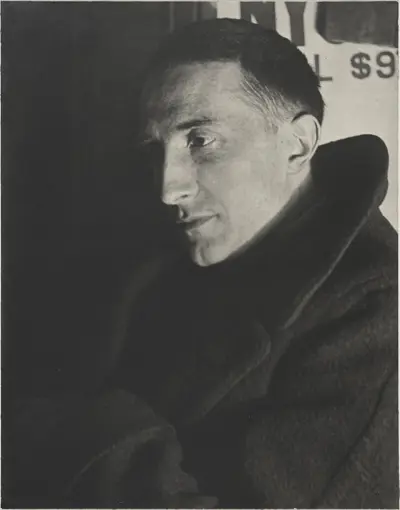
Henri-Robert-Marcel Duchamp was a French-American painter, sculptor, chess player, and writer whose work is associated with Cubism, Dada, and conceptual art. Duchamp is commonly regarded, along with Pablo Picasso and Henri Matisse, as one of the three artists who helped to define the revolutionary developments in the plastic arts in the opening decades of the 20th century, responsible for significant developments in painting and sculpture. Duchamp has had an immense impact on twentieth-century and twenty first-century art, and he had a seminal influence on the development of conceptual art. By the time of World War I he had rejected the work of many of his fellow artists (such as Henri Matisse) as "retinal" art, intended only to please the eye. Instead, Duchamp wanted to use art to serve the mind.
