Terence McKenna Quotes
Fine tuning the institutions built by powdered wig guys two hundred years ago is a long shot at holding the whole thing together.
McKenna, Terence. "Eros and the Eschaton." Sounds True, 1994.


The conservative Senator was very distrustful of the constitutional amendment process itself after a both prohibition and women's suffrage amendments had passed. Wadsworth and his supporters feared Constitutional amendments passed by Congress and the State legislatures without any direct approval of the people.


From this quotation, {615902} and {615901} it is clear that the framers of the Constitution intended the treaty making powers to be shared by the President and the Senate. In practice, in modern times treaties are usually initially negotiated by diplomats under the supervision of the President and the Senate gets to concur or not in the ratification process. However, there have been a number of treaty failures including the League of Nations where the lack of coordination has resulted in a situation where the Senate had to accept or reject something which the President had negotiated and the Senate rejected the treaty.

Hamilton thought that the Executive Branch should be co-equal with the Judicial Branch and lifetime tenure should apply to both. This quotation is very important as we consider developing countries and emerging democracies. Some in the third world have Presidents for Life—a concept that most democracies scoff at. But the stability and the independence was important enough to some of the Founding Fathers was actually advocated and considered as we formed the American Democracy.

See {585430} for a classic example of this principle.


The Prime Minister and his Tory Party was calling for Senate Reform


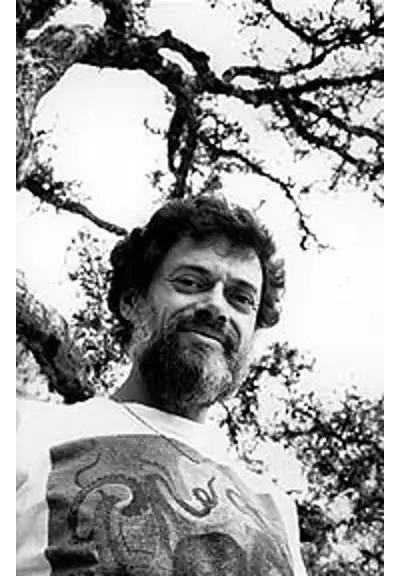
Terence Kemp McKenna was an American ethnobotanist and mystic who advocated for the responsible use of naturally occurring psychedelic plants. He spoke and wrote about a variety of subjects, including psychedelic drugs, plant-based entheogens, shamanism, metaphysics, alchemy, language, philosophy, culture, technology, environmentalism, and the theoretical origins of human consciousness. He was called the "Timothy Leary of the '90s", "one of the leading authorities on the ontological foundations of shamanism", and the "intellectual voice of rave culture".
