Kimberle Williams Crenshaw Quotes
Feminists must denounce the use of white insecurity - whether in relation to white womanhood, white neighborhoods, white politics, or white wealth - to justify the brutal assaults against black people of all genders.

Instead of standing and saluting as professional athletes have done for decades before games, he kneeled and refused to stand. This caused great public criticism but also some initial support. He was potentially risking his multimillion dollar salary as this technically violated his contract to avoid anything embarrassing to the team. He also donated $1 million to programs in the area that were working to enhance Black/white understanding. Even those who disagreed with his choice of protest defended his right to do so, and after the initial furor, public opinion, while not in agreement about his method, tended to support him for having the courage of his convictions and using his celebrity for a worthy cause. After sensing the public opinion, his team matches his $1 donation. Professional athletes both in the NFL and in other sports then began to do the same as a form of protest for the large, disproportionate, number of black men who were killed, mostly when unarmed, by police. The reference to the “paid leave” was the practice followed by most police departments—usually required by collective bargaining agreements with police unions—of placing police officers accused of committing violations of laws or regulations on paid administrative leave while all the investigations, hearings, and other processes . While this practice protected the rights of those police officers who were not guilty, it ended up paying brutal murders for a some time entire their case was decided or acted upon be the district attorney.


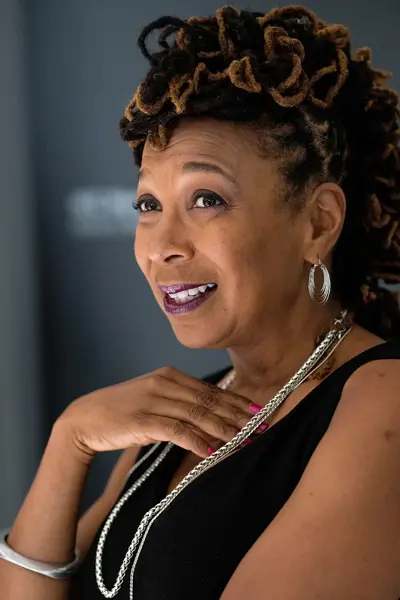
Kimberlé Williams Crenshaw (/ˈkɪmbərli/; born 1959) is an American lawyer, civil rights advocate, philosopher, and a leading scholar of critical race theory who developed the theory of intersectionality. She is a full-time professor at the UCLA School of Law and Columbia Law School, where she specializes in race and gender issues. Crenshaw is also the founder of Columbia Law School's Center for Intersectionality and Social Policy Studies (CISPS) and the African American Policy Forum (AAPF), as well as the president of the Berlin-based Center for Intersectional Justice (CIJ). Crenshaw is known for the introduction and development of intersectionality, the theory of how overlapping or intersecting social identities, particularly minority identities, relate to systems and structures of oppression, domination, or discrimination. Her scholarship was also essential in the development of intersectional feminism which examines the overlapping systems of oppression and discrimination to which women are subject due to their ethnicity, sexuality and economic background.
