Edward Abbey Quotes
Except for the scale of the operation, there was nothing unusual about Hitler's massacre of the Jews. Genocide's an old tradition, as human as mother love or cherry pie.
Abbey, Edward. A Voice Crying in the Wilderness (Vox Clamantis in Deserto). St. Martin's Press, 1989.

The Armenian-Turkish enmity was vicious to the point that each people tried to kill and exterminate the other—men women and children. The atrocities committed by the Armenians were unfortunately greatly exceeded by the Turks in what is now often referred to as the “Armenian Genocide”—see {51838}, {631062} and {61904}. Armenians were in the minority yet each side slaughtered members of the other whenever they could. The Ottoman Turks were much better at it. The hatred still prevails – see {588211}. And Turks and Armenians both still accuse the other of atrocities during the period and appear in denial about their own violence.


Saloth Sar Pol Pot. He was responsible for the brutal killing of over 1 million of his own people.


See Ferdinand I for the Bulgarian denial {601322}.


This is the origin of the term “democide” which while not yet in common use has an importantly different meaning from genocide. The former Soviet Union killed millions for the purpose of gaining and maintaining power although they were not intending to wipe our a people or a culture—just opponents. Nazi Germany was guilty of both genocide and democide.
This was part of the continual conflict between the Muslims and the Eastern Orthodox Christians. The Greeks ended up doubling their territory.


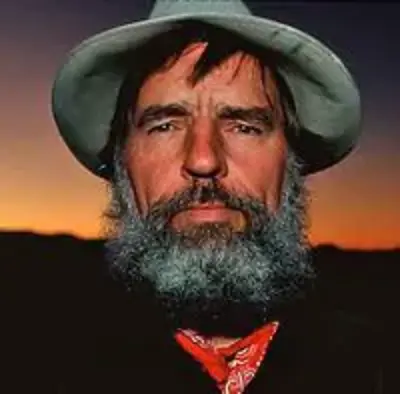
Edward Paul Abbey was an American author and essayist noted for his advocacy of environmental issues and criticism of public land policies. His best-known works include Desert Solitaire, a non-fiction autobiographical account of his time as a park ranger at Arches National Park considered to be an iconic work of nature writing and a staple of early environmentalist writing; the novel The Monkey Wrench Gang, which has been cited as an inspiration by environmentalists and groups defending nature by various means, also called eco-warriors; his novel Hayduke Lives; and his essay collections Down the River (with Henry Thoreau & Other Friends) (1982) and One Life at a Time, Please (1988).
